Local SEO Checklist for Houston Businesses That Need Results Fast
A plain‑English, weekend-friendly checklist Houston business owners can follow to improve local search visibility quickly—covering Google Business Profile, on‑page fixes, quick technical wins, local content, citations, and how to measure early results.
Why a weekend checklist helps
Local SEO is a set of small, focused changes that compound quickly. With a few hours each day over a weekend you can improve map visibility, make your pages easier for search engines to understand, and start attracting traffic. This checklist is practical: it prioritizes actions you can complete without major redesigns or outside contractors, plus a couple of next steps if you want faster results through paid ads or professional support.
Gather what you need before you start
Spend 30–60 minutes collecting access and tools so the rest of your weekend goes smoothly: admin login for your website or CMS, a verified Google account for Google Business Profile, access to Google Analytics and Search Console (or the ability to add them), images of your storefront/products, a short business description, and correct phone/address details (NAP). A password manager or shared doc helps keep credentials organized.
Google Business Profile: the map‑visibility essentials
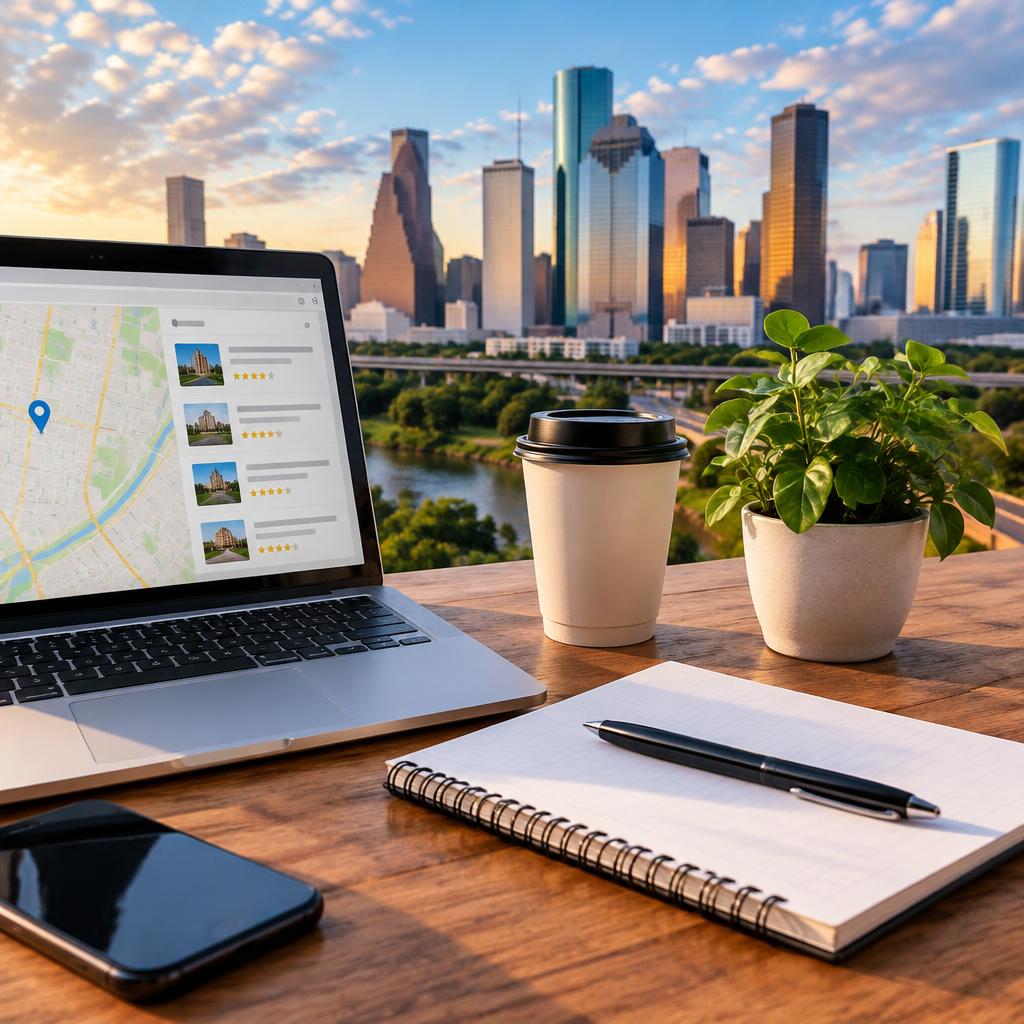
Claim and verify your Google Business Profile (formerly GMB) or confirm the listing details are accurate. Complete every field: primary category, secondary services, full address, business hours, phone number, and a clear business description that mentions your Houston location or neighborhood. Add 5–10 high‑quality photos (exterior, interior, team, products) and post a short update or special. Encourage recent customers to leave reviews and respond promptly to them—reviews and a well‑filled profile are two of the fastest ways to boost map visibility.
On‑page SEO you can fix in a few hours
Walk through your most important pages (homepage, service pages, contact page) and check these items: write unique title tags and meta descriptions with a local reference (e.g., neighborhood or 'Houston'); use a single H1 per page and meaningful H2s; include your full NAP on the contact page in text (not only in an image); add descriptive alt text for images; and ensure URLs are short and readable. For service or location pages, include a concise paragraph explaining who you serve in Houston and what problem you solve.
Quick technical wins to improve performance
Small technical fixes often move the needle. Make sure your site uses HTTPS, compress and resize large images, enable browser caching, and check mobile responsiveness. Fix obvious broken links and redirect old URLs where needed. Run a quick speed check (for example, using Google PageSpeed Insights) and prioritize the top two recommended fixes—images and render‑blocking scripts are common low‑effort wins.
Local content and keyword approach
Target a mix of short and long‑tail local keywords: think 'service + Houston' and 'service + nearby neighborhood.' Create a brief FAQ page that answers the most common customer questions with local context, or add a short blog/post about a local event or common local problem you solve. Keep content practical and customer‑focused—use plain language and mention real neighborhoods or landmarks only if they genuinely apply to your service area.
Citations, reviews, and local links
Check that your NAP (name, address, phone) is consistent across your website and major directory listings (Google, Facebook, Yelp, industry directories). Add or update listings where needed and avoid duplicate profiles. Ask satisfied customers for reviews and respond courteously to every review—customers have noted that a simple, supportive setup and follow‑up often leads to more reviews and attention, which helps local rankings. Local partnerships, sponsorships, or mentions in community calendars are useful ways to gain relevant links.
Measure results and plan next steps
Set up basic tracking: Google Analytics (or another analytics tool) and Search Console for impressions and keyword data. Monitor Google Business Profile insights for calls, direction requests, and profile views. Expect to see small improvements in days and clearer trends in 4–8 weeks. If you need immediate visibility while organic changes take effect, consider a short PPC campaign targeting your top local keywords—this is a fast way to get traffic while SEO builds. If you want help implementing these steps, a local marketing agency can audit your setup and prioritize the highest‑impact fixes.
Customer review


Article by
Revenir Marketing
Digital marketing is the strategic promotion of brands, products, or services using electronic devices and online channels to reach consumers. It leverages SEO, social media, email, and paid advertising to drive website traffic, increase brand awareness, and boost conversions. Key components include content creation, data analytics, and targeted engagement.