Warehouse & Industrial Space in Houston: Location, Zoning, Build‑Out, and Financing Guidance for Growing Businesses
Practical guidance for entrepreneurs evaluating warehouse and industrial properties around Houston, Pasadena, and Harris County — covering site access, zoning checks, build‑out considerations, and financing options for owner‑users and investors.

Why location matters for warehouse and industrial operations
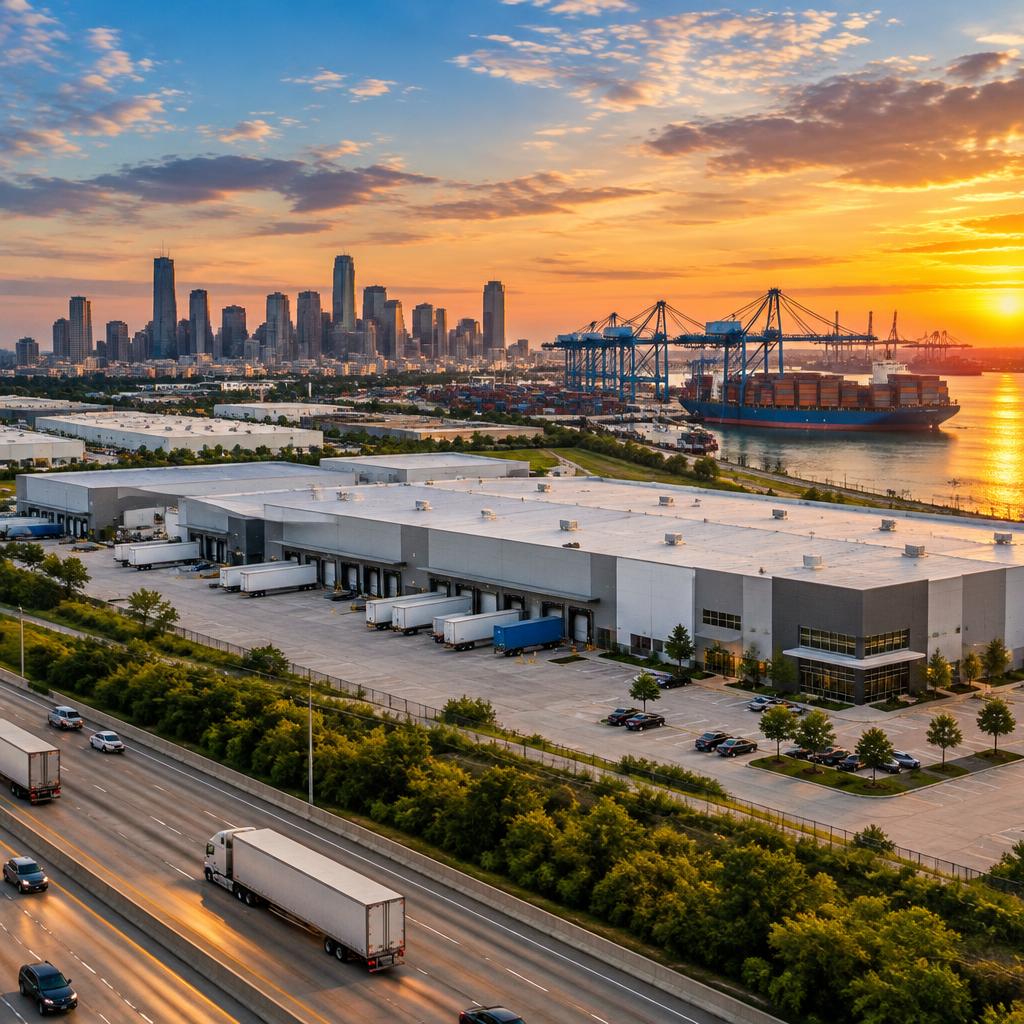
Choosing the right location for a warehouse or light industrial facility affects operating costs, delivery times, and growth flexibility. For businesses around Houston, Pasadena, and Harris County, priorities typically include proximity to major freight routes and port access, ease of truck circulation, and workforce availability. When comparing sites, think about travel time for suppliers and customers, parking and staging areas for trucks, and nearby service providers such as equipment rental, maintenance, and industrial contractors.
Evaluating access to highways, ports, and intermodal routes
Assess how a property connects to the regional transportation network. Key considerations are distance and travel time to major highways, the nearest port facilities or intermodal yards, and whether the site has direct truck access or restrictive local streets. Properties with good access reduce last‑mile costs and improve reliability for distribution operations. Also factor in peak traffic patterns and any low‑clearance or weight‑restricted routes that could limit truck movements.
Understanding zoning and permitted uses
Zoning determines what activities are allowed on a site and whether future expansion is feasible. Common industrial categories range from light industrial and warehousing to heavier manufacturing; each has different limits on noise, emissions, outdoor storage, and hours of operation. Before you commit, review municipal or county zoning maps, check permitted uses, and confirm whether conditional use permits, variances, or special site plans are required. Local planning and permitting offices can tell you about setbacks, lot coverage, and required buffering from residential areas.
Environmental and regulatory due diligence
Industrial properties can carry environmental or regulatory risks that affect cost and timeline. Standard due diligence includes reviewing historical property uses, ordering an environmental site assessment (Phase I ESA), and identifying any known contamination or remediation obligations. Confirm floodplain status, stormwater requirements, and fire code standards — these factors can influence design, insurance, and permitting. Engaging environmental consultants and local permitting authorities early reduces surprises during closing or build‑out.
Key build‑out and site improvement considerations
Build‑out needs depend on intended use: racking and clear height, slab capacity, loading docks, drive aisles, electrification, HVAC for conditioned spaces, fire suppression, and office fit‑out. Site work may include paving, drainage, utility upgrades, fencing, and signage. Budget for permitting, inspections, and potential utility service extensions. Because costs vary by scope and local labor markets, obtain multiple contractor estimates and plan contingency funds for unforeseen repairs or modifications discovered during renovation.
Financing options for owner‑users and investors
Different financing paths suit different buyers. Owner‑users often seek longer‑term commercial mortgages or SBA‑backed options (if eligible) to secure favorable rates and terms; investors evaluate a site's cash‑flow potential, tenant mix, and resale prospects. Creative lending options can help bridge gaps: DSCR or investor‑style loans, non‑QM products, short‑term hard money for rapid acquisitions or renovations, and tailored investor loan services. Lenders will review property condition, lease terms, debt‑service coverage, loan‑to‑value, and borrower experience, so prepare financials, a clear business plan, and realistic pro forma statements.
Practical steps for a smoother purchase or lease process
Start with a documented checklist: confirm zoning and permitted uses, order environmental and structural inspections, survey utility capacities, and review site access for trucks. Assemble a local team — commercial broker, lender familiar with industrial finance, contractor, and environmental consultant. For acquisitions, negotiate clear contingencies for inspections and approvals. If you need financing or nonstandard lending structures, work with an advisor experienced in creative finance to match loan products to your timeline and goals. Local expertise can speed permitting and identify cost‑effective build‑out strategies.
Article by
Raquel Molina - Realtor
Raquel Molina is a Houston real estate professional and creative lending advisor helping buyers, sellers, investors, and business owners with residential and commercial real estate throughout Houston and surrounding Texas markets. Services include home buying and selling, commercial properties, multifamily and investment properties, land, new construction, and real estate financing. Raquel helps clients explore DSCR loans, investor financing, and creative lending strategies designed around their unique goals. Whether buying your first home, selling, investing, or expanding your portfolio, Raquel provides personalized guidance, market knowledge, and creative financing solutions from consultation through closing.