New Construction Homes in Greater Houston: What Buyers Should Know Before Signing
A practical guide for buyers considering new construction in the greater Houston area, covering benefits and drawbacks, how builder contracts differ, inspections and due diligence, and the role of independent buyer representation.

Why buyers consider new construction in Greater Houston
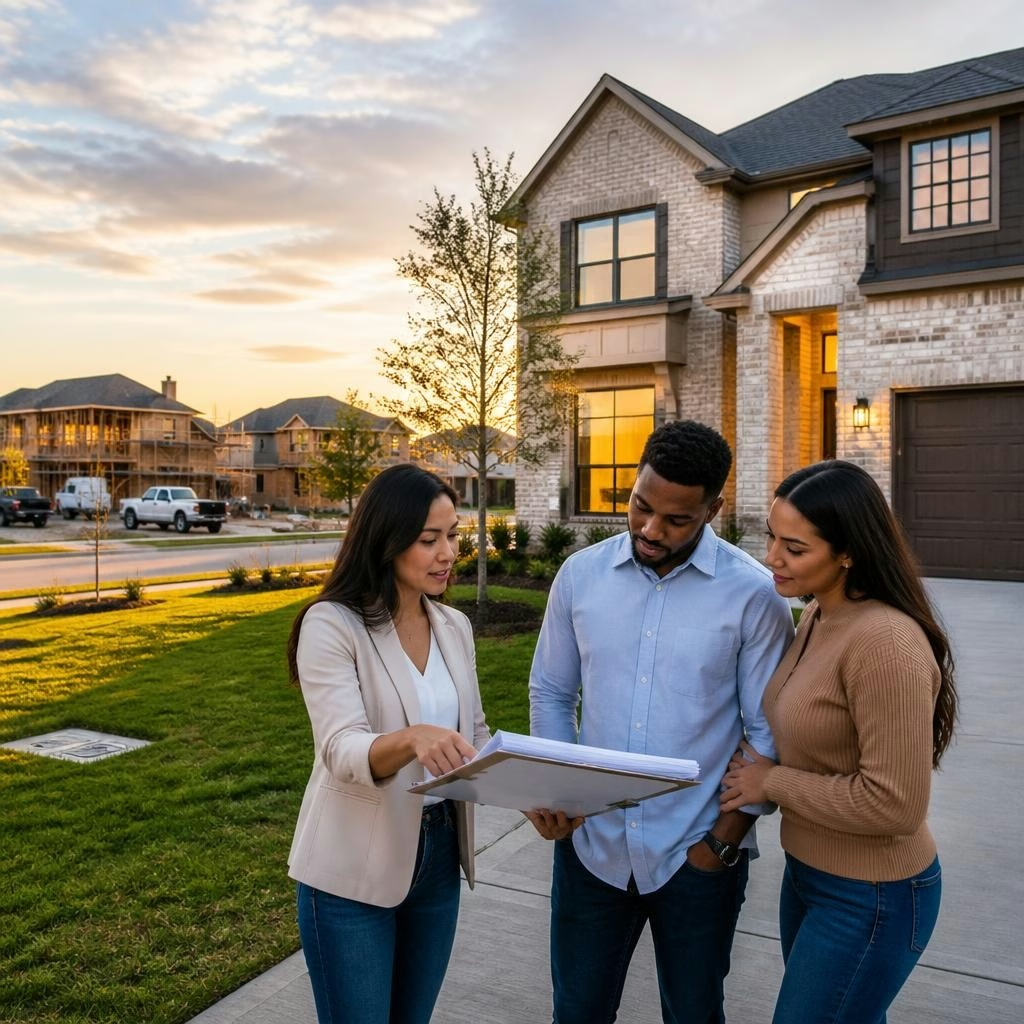
New construction appeals to many Houston-area buyers because it offers modern systems, current building codes, and the chance to choose finishes and floor plans. For buyers relocating to areas such as Katy, The Woodlands, Cypress, Bellaire, or other nearby communities, new homes can provide energy-efficient appliances, up-to-date insulation and mechanicals, and a lower likelihood of immediate maintenance needs. Developers also often plan community amenities and infrastructure that can suit particular lifestyles, whether that means proximity to schools, commercial centers, or commuter routes around Houston.
Common drawbacks and practical considerations
There are trade-offs to weigh. Construction timelines can shift because of weather, supply chains, or permitting. Communities may be built in phases, leaving landscaping, sidewalks, or amenities incomplete for months or longer. Standard specification packages can limit customization without paying for upgrades, and resale comparables may be sparse until a neighborhood matures. Additionally, some builders restrict certain contractual contingencies or limit post-closing remedies, so it’s important to understand what you may be accepting in exchange for a new home.
How builder contracts typically differ from resale contracts
Contracts for new construction often include addenda specific to the build (schedules, lot identification, and options/change order procedures). Deposit structures and timelines may differ—earnest money might be applied differently and refundable amounts may be limited. Builders frequently include a construction schedule with milestone dates rather than a single closing date, and change orders are handled through a formal process that can affect price and completion timing. Unlike many resale transactions, a builder contract may include standardized warranty language and disclaimers about lot-specific conditions; buyers should review these sections carefully.
Inspections and due diligence you should still perform
Even with a brand-new home, independent inspections are important. Common practice in new construction is to schedule inspections at key stages—pre-drywall, mechanical rough-in, and final walk-through—so potential issues can be addressed before finishes are installed or before closing. Hire an inspector experienced with new builds and ask about foundation, drainage, HVAC, electrical, and roofing. Verify the builder’s warranty scope and duration, obtain HOA and community documents early, and confirm utilities and stormwater/drainage plans for the lot. If the property is in areas with particular soil or drainage concerns, consider expert advice on grading and site drainage.
Why independent buyer representation matters
When you buy directly from a builder, the sales representative typically represents the builder’s interests. Independent buyer representation ensures you have an advocate who explains contract language, negotiates inclusions or timelines on your behalf, coordinates inspections, and monitors the punch-list and warranty repairs after closing. A buyer’s agent can also provide local market context—comparables, HOA implications, and resale considerations—and help protect your rights when reviewing change orders and final settlement documents.
Negotiating points and practical tips
If you hope to negotiate with a builder, focus on areas where builders commonly offer flexibility: upgrades and finishes, closing cost incentives, financing incentives, and timing concessions. Request that any verbal promises be included in writing, and obtain detailed, line-item descriptions for upgrades and options. Establish a clear process for change orders and their approvals, and consider asking for a written completion timeline and a documented punch-list procedure that specifies response times for repairs.
A simple checklist to use before signing and during construction
Before you sign: obtain lender preapproval, review the builder contract with your buyer’s representative, request copies of warranties and HOA covenants, and confirm what’s included versus upgrade items. During construction: schedule staged inspections (pre-drywall and final), keep a running list of questions and any agreed changes in writing, verify milestones and expected closing timing, and plan for the final walk-through and documented punch list. After closing: keep warranty contact information and timelines handy, and follow up promptly on any warranted repairs.
Article by
Nandin Erdene Battsengel - Realtor
Nandin Battsengel a trusted REALTOR® serving buyers, sellers, investors, and businesses with residential and commercial real estate services in Houston and surrounding areas. Whether you're buying your first home, selling a property, relocating, purchasing an investment property, or looking for commercial real estate, Nandin Battsengel provides personalized guidance throughout the transaction. Residential services include home buying, home selling, buyer and seller representation, first-time homebuyer assistance, luxury homes, relocation, new construction, and investment properties.