Supporting a Loved One in Hospice with Photography: A Guide for Houston Families
Practical, sensitive guidance for Houston-area families who are considering having a photographer capture moments during hospice care, covering timing, working with medical staff, what to photograph, and how to protect the patient’s comfort and privacy.
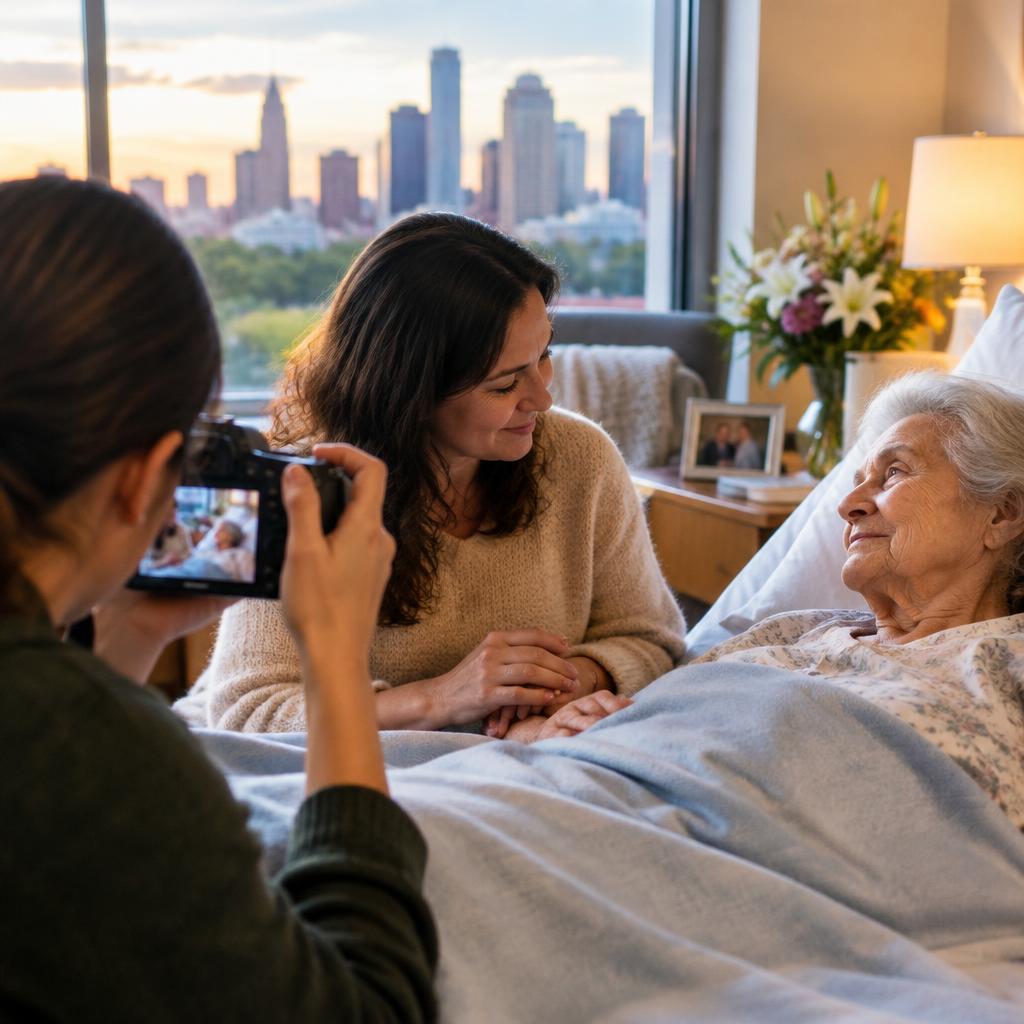
Why gentle photography can matter
Photographs made during the final phase of life can be a quiet way to honor a person’s identity, preserve memories, and support families through grief. When approached carefully, photography during hospice is not about spectacle but about dignity — documenting small, meaningful details and relationships that matter most to the patient and their loved ones. If you’re in the Houston area and considering this option, clear priorities and compassionate planning help ensure the experience supports everyone involved.
When to schedule and how to remain flexible
Timing will often depend on the patient’s condition and energy. Short sessions — 15–60 minutes — are usually preferable to long sittings. Some families choose a single, private portrait session; others prefer a few short visits to capture family moments or a particular milestone. Be prepared to adapt: a good session plan includes alternatives for very brief windows of alertness and recognizes that plans may change on short notice.
Coordinating with hospice staff and medical teams
Always communicate with the hospice provider and any attending medical staff before arranging a photographer. Staff can advise on infection-control procedures, visiting hours, and any equipment restrictions. Ask whether there are preferred entrances, wheelchair paths, or times that are less disruptive to care routines. When medical aides or nurses are present, be clear about boundaries so caregiving is not impeded and the patient’s comfort remains the priority.
Centering consent, comfort and dignity
Consent is crucial. Whenever possible, obtain the patient’s clear agreement about being photographed and discuss what they find acceptable. If a patient cannot communicate, consult their advance directives or the legally authorized decision-maker and prioritize the patient’s dignity and privacy. Watch for nonverbal cues — fatigue, discomfort, or agitation are signals to pause. Positioning, covers, and minimal physical movement help maintain comfort; small adjustments in lighting or angle can make a portrait feel respectful without causing strain.
What to capture: moments and details that matter
Focus on what feels meaningful for the family and the patient: calm portraits, gentle interactions between the patient and loved ones, hands held, favorite objects, bedside mementos, and the small expressions that reveal personality. Environmental details — a bedside book, a favorite blanket, or a meaningful view from a window — can contextualize memories. Avoid staged or theatrical shots that might feel false; authenticity and simplicity often produce the most enduring images.
Practical considerations for families and photographers
Use minimal, quiet equipment: a fast prime lens and available light reduce setup time and disturbance. Soft, indirect lighting is kinder to tender skin and more comfortable for patients. Keep conversations low and focused; limit the number of people present to what the patient finds comforting. Prepare clothing and props in advance, agree on how long the visit will last, and designate someone to coordinate logistics with staff. Photographers working in hospice should be experienced in sensitive environments and ready to adapt to the needs of the patient and facility.
Privacy, sharing images and next steps
Discuss how images will be used and shared before the session. Some families prefer private keepsakes; others want photos for a memorial or celebration of life. Establish who will receive the images and whether any editing should be conservative to preserve authenticity. Store files securely and consider creating a small selection of curated, high-resolution images for family use. If you want professional support, En Vida Tribute Photography, based in Houston, emphasizes compassionate visual storytelling for end-of-life and celebration-of-life sessions and serves Houston and nearby communities. If you engage a professional, confirm experience with hospice settings and agree on boundaries and deliverables in writing before the session.
Article by
En Vida Tribute Photography
EN VIDA TRIBUTE PHOTOGRAPHY - Based in Houston, skilled and compassionate photographer, Adanary Jacques offers families unique visual storytelling focused on this side of a loved one's final moments of life's journey, with honor, compassion and dignity. Portraiture sessions, funeral and celebration of life coverage available from $300. Adanary, a versatile photographer and visual artist whose work spans across different styles, also enjoys conceptual styles blending portraiture with her heritage to create vibrant imagery of Catrinas. Honoring the Mexican tradition of Dia de los Muertos as a way to a deeper meaning and appreciation of life while we are still here - "EN VIDA". Limited Edition sessions are scheduled throughout Sept - Nov.