End-of-Life Photography vs. Traditional Family Portraits: Which Is Right for Your Loved One?
A clear, practical guide comparing traditional family portrait sessions with end-of-life and celebration-of-life photography—covering timing, setting, emotional tone, and how each supports remembrance so you can choose what best honors your loved one.
Two approaches, two purposes
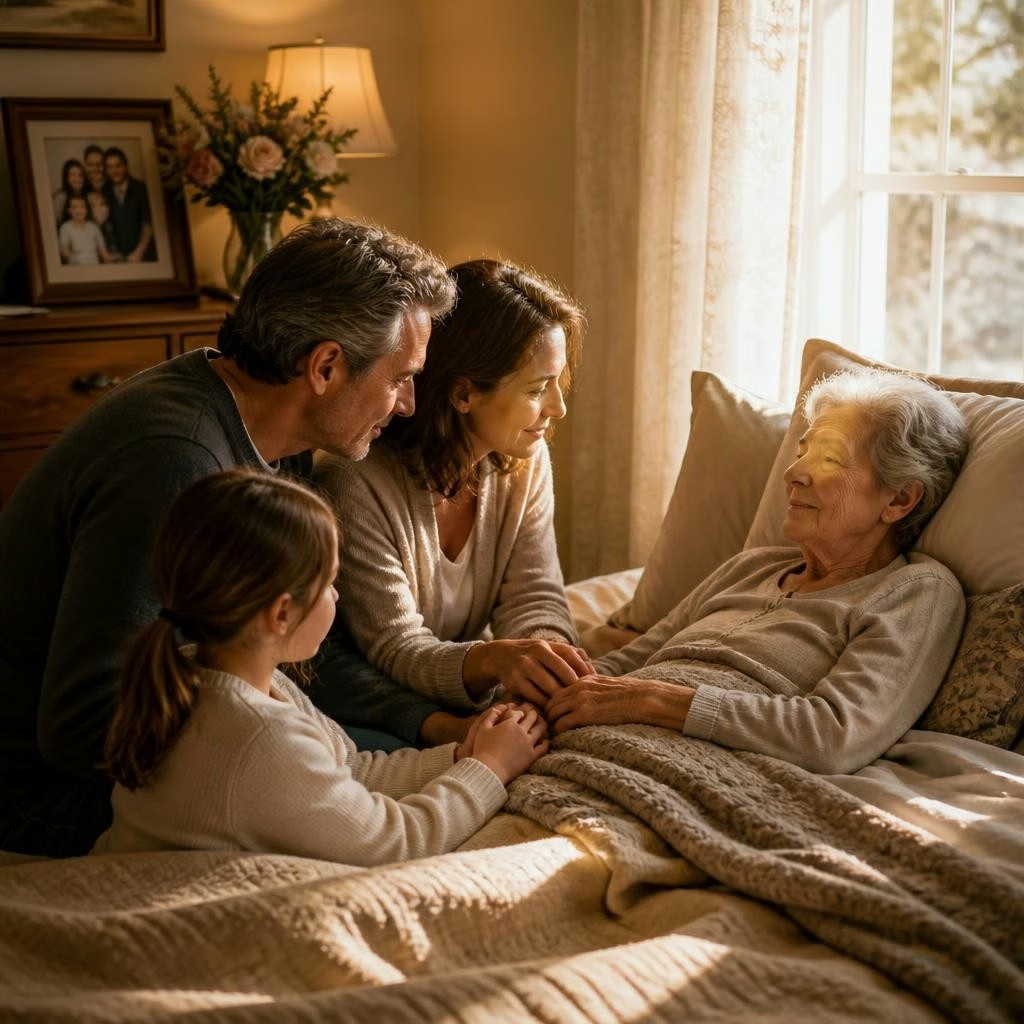
Traditional family portraits and end-of-life photography share a common aim—preserving memories—but they serve different emotional and practical needs. Traditional portrait sessions typically focus on posed, staged images taken at a studio or an agreed location, with attention to lighting, wardrobe, and composition. End-of-life photography (sometimes offered as funeral or life-celebration coverage) is more documentary in nature: it seeks to capture the final chapter of a person’s life with dignity, presence, and minimal staging so families have honest visual records of important last moments and interactions.
Timing and planning considerations
Timing is one of the clearest differences. Portrait sessions are scheduled in advance and often allow for several outfit changes, set adjustments, and reshoots. End-of-life sessions require more flexibility: they may take place in a hospice room, hospital, care facility, or at home and sometimes need to be arranged on short notice. Families choosing end-of-life photography often prioritize immediacy and sensitivity to clinical or family rhythms, while those choosing portraits plan for a calm, controlled environment and more predictable scheduling.
Setting, privacy, and logistics
Portraits usually happen in a studio or outdoor setting where privacy and controlled lighting are standard. End-of-life work requires the photographer to respect medical settings, visitation rules, and the wishes of family members. In both cases, discuss logistics ahead of time: who will be present, what areas are appropriate for photos, and any cultural or religious boundaries. En Vida Tribute Photography works across greater Houston and nearby communities and approaches each location with discretion to protect privacy and comfort.
Emotional tone and the photographer’s role
Traditional portrait work often emphasizes confidence, idealized presentation, and a celebratory mood. End-of-life photography prioritizes compassion, calm, and unobtrusive presence. The photographer’s role in end-of-life sessions is part documentarian, part emotional support: they observe intimate interactions, step back when needed, and create images that honor vulnerability without staging it. Communicate openly with the photographer about boundaries—what you do and don’t want captured—so they can adapt their approach.
What the images are used for
Both types of images become part of a family’s visual legacy, but their uses often differ. Portraits are frequently displayed in homes, shared at milestones, or given as gifts. Images from end-of-life or celebration-of-life sessions are used for remembrance, funeral programs, private viewing, or quiet keepsakes that help relatives process grief. Before a session, discuss deliverables and usage with the photographer—digital files, a small selection of edited images, or coverage at a memorial event—to ensure expectations align with what the family needs.
How each supports grief and remembrance
Portraits can bolster ongoing family identity and serve as uplifting reminders of the person you knew through happier, composed imagery. End-of-life photography supports grief work in a different way: by preserving the reality of the final days, it can offer closure, validate experiences that might otherwise fade, and become a resource for storytelling in the years that follow. Families often find that documentary images provide an important bridge between memory and acceptance, helping rituals of mourning and commemoration feel more tangible.
Questions to help you decide
To choose between a portrait session and end-of-life photography, consider practical and emotional questions: Do you want staged, idealized images or candid documentation? How much time do you have to plan? Are there medical or facility restrictions to respect? What will the images be used for—display, private remembrance, or a memorial? Also reflect on cultural practices; for example, En Vida Tribute Photography incorporates Dia de los Muertos–inspired portraiture and celebration-style sessions that can be meaningful for families honoring Mexican traditions.
Next steps and how to arrange a session
If you’re unsure which option fits your needs, schedule a conversation with the photographer to describe your goals and constraints. A brief consultation lets the photographer explain what to expect, confirm availability, and outline how they maintain dignity and privacy during sensitive moments. Whether you opt for a planned portrait, a limited-edition cultural session, or compassionate end-of-life coverage, thoughtful planning and clear communication will help ensure the resulting images truly serve your family’s remembrance and healing.
Article by
En Vida Tribute Photography
EN VIDA TRIBUTE PHOTOGRAPHY - Based in Houston, skilled and compassionate photographer, Adanary Jacques offers families unique visual storytelling focused on this side of a loved one's final moments of life's journey, with honor, compassion and dignity. Portraiture sessions, funeral and celebration of life coverage available from $300. Adanary, a versatile photographer and visual artist whose work spans across different styles, also enjoys conceptual styles blending portraiture with her heritage to create vibrant imagery of Catrinas. Honoring the Mexican tradition of Dia de los Muertos as a way to a deeper meaning and appreciation of life while we are still here - "EN VIDA". Limited Edition sessions are scheduled throughout Sept - Nov.