How Claims Work: A Houston-Area Guide for Auto and Home Losses
A step-by-step guide for residents of Houston, Pasadena, and Deer Park on what to do immediately after an auto accident or home damage, how to document losses, when to contact your broker versus your insurance carrier, and common mistakes that can delay Texas insurance claims.

Why a clear plan matters after a loss
An unexpected accident or property damage can be overwhelming. Acting methodically protects your safety, preserves evidence, and helps your claim move through the system more smoothly. This article outlines practical, insurance-focused steps you can take after an auto accident or home loss and explains when it’s helpful to contact an independent broker like JAMCO Insurance - Brian Gutierrez, which serves the greater Houston area including Deer Park and Pasadena.
Immediate actions after an auto accident
First, ensure everyone’s safety and call emergency services if there are injuries. When it is safe, move vehicles out of active traffic if possible and exchange names, contact information, license plate numbers, insurance company names, and policy numbers with other involved drivers. Take multiple photos and short video clips of the scene, vehicle damage, license plates, skid marks, traffic signs, and your position relative to intersections. Note the date, time, weather, and any witness contact details. Avoid admitting fault at the scene—stick to factual descriptions.
Immediate actions after home damage
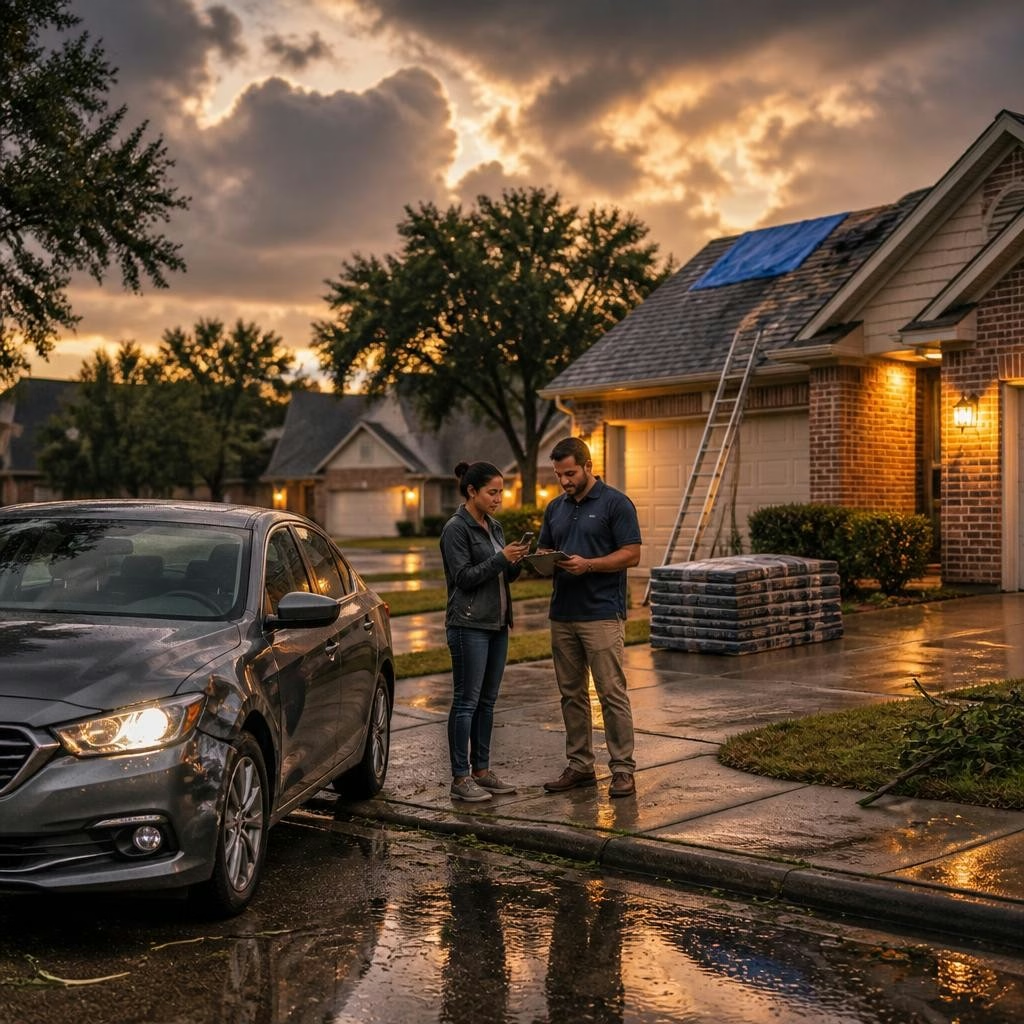
If your home has been damaged by fire, storm, water, or another event, prioritize personal safety and the safety of others in the household. Turn off utilities only if it is safe and you know how; if you suspect gas or structural issues, evacuate and call emergency responders. Where possible, take photos and video of damaged areas and items before cleanup. Perform temporary, reasonable measures to prevent further damage (for example, tarping a roof or stopping a leak) but keep receipts and document all temporary repairs. Do not throw away major damaged items until your insurer or adjuster has inspected them, unless health or safety requires disposal.
How to document the loss effectively
Good documentation speeds claims. Create a dated inventory of damaged personal property or vehicle components, include serial numbers when available, and store purchase receipts, warranties, and service records. For homes, photograph each room and focus on structural, contents, and systems damage (HVAC, plumbing, electrical). For vehicles, capture wide-angle shots and close-ups of specific damage. Maintain a digital copy of all photos, videos, and communications, and keep original receipts and repair estimates. A clear, organized file is helpful for both the claims adjuster and your broker.
When to call your broker versus your insurance carrier
Your insurance carrier is the company that pays claims and assigns an adjuster. Reporting a claim to the carrier initiates the formal process. Your independent broker is an advisor and advocate who can explain coverages, review the carrier’s estimate, help prepare documentation, and, when appropriate, communicate with the carrier on your behalf. Contact your carrier promptly to meet reporting requirements, and contact your broker early if you want help interpreting your policy, preparing documentation, or exploring alternate carriers — brokers like JAMCO partner with multiple companies and can offer bilingual support in English and Spanish across the Houston area.
Common mistakes that slow or complicate claims
Several avoidable errors frequently delay settlement: waiting too long to report the loss, failing to document damage thoroughly, performing permanent repairs before an adjuster inspects without prior approval, discarding damaged property without documentation, and providing incomplete information when asked. Another common pitfall is not reviewing one’s policy and deductible details beforehand; understanding your coverages and limits helps set realistic expectations during the claims process.
What to expect from the adjuster and how to work with them
After you report a claim, an adjuster from the carrier will typically inspect the damage, review documentation, and prepare an estimate. Be prepared to share the inventory, photos, repair estimates, and any temporary repair receipts. Ask the adjuster to explain how depreciation, ACV (actual cash value) vs. replacement cost, and your deductible affect the settlement if those terms apply to your policy. Keep a written log of all conversations—dates, names, and summary points—and forward key notes and documents to your broker so they can help verify the carrier’s findings and advise on next steps.
Practical next steps and local resources
Immediately after you take safety steps and document the loss, gather your policy number, photos, receipts, and a brief timeline of events. Report the claim to your carrier to start the process, then contact your broker for guidance and assistance. JAMCO Insurance - Brian Gutierrez serves Houston-area residents and can help review coverages, coordinate with carriers like Progressive, Allstate, Infinity, and others, and provide bilingual support throughout the process. If you live in or near Deer Park, Pasadena, or Houston, keeping your broker informed early can help clarify coverage questions and reduce delays. Save a checklist (safety, photos, report to carrier, notify broker, preserve receipts) so you’re prepared if an incident occurs.
Article by
JAMCO Insurance - Brian Gutierrez
I'm an Independent Insurance Brokers that partner with Progressive, Allstate, Infinity, Kemper and many other companies. We provide free insurance quotes for auto, home, business & more. Located in Deer Park, TX, Pasadena, TX, and Houston, TX, we’re here to help protect you from the unexpected and plan for the predictable. Get in touch with one of our insurance agents today! Bilingual, speaking both Spanish and English.