Sacred vs. Secular Ceremony Songs: What Houston Churches Usually Allow and How to Ask
A practical guide for engaged couples on common Houston parish music policies, which parts of a wedding ceremony may include secular songs, and how to request a professional soloist or cantor for your service.
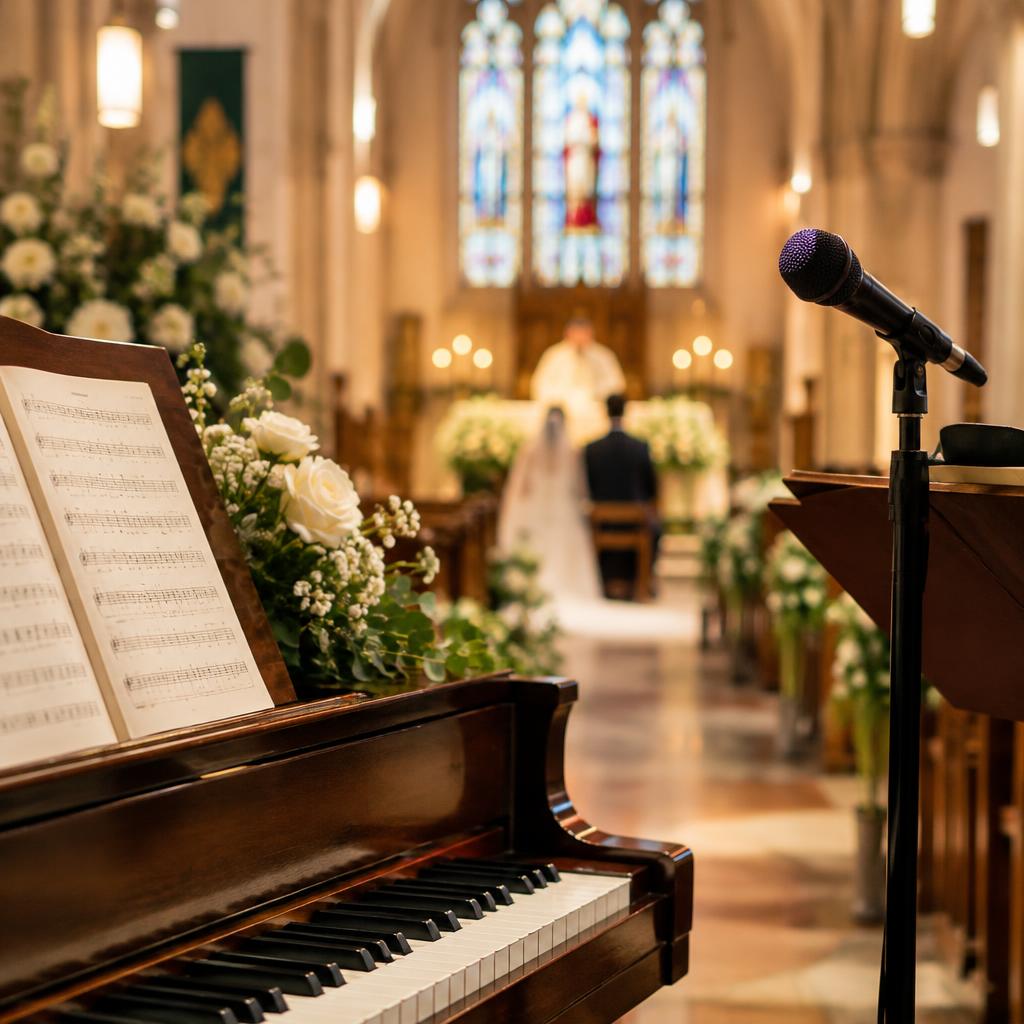
Why the distinction between sacred and secular music matters
Catholic and many other Christian parishes treat music as part of the liturgy, not just background. That means selections are evaluated for theological appropriateness, text suitability, and liturgical placement. Understanding the difference between sacred (liturgically appropriate) and secular (non-liturgical, popular, or romantic) pieces will help you plan a ceremony that respects parish norms and preserves the worshipful tone most churches expect.
How Houston churches typically set music policy
Policies vary by diocese and parish, but common elements include: approval by the pastor or music director, preference for texts that reflect prayer or Scripture in sung pieces used during the liturgy, and guidelines for accompaniment (organ or piano). Some parishes provide written lists of approved hymns and responses; others handle approvals case-by-case. Expect differences between larger downtown parishes and smaller neighborhood churches, so always confirm with your chosen parish early in planning.
Which parts of the ceremony can include secular songs
In many Houston churches, secular songs are more likely to be allowed in non-liturgical parts of the service. Typical placements that may permit secular or popular songs include the prelude (before Mass begins) and the post-ceremony recessional or exit music. Secular processional songs are less commonly approved when their texts are explicitly romantic rather than spiritual. Traditional liturgical moments — such as the entrance hymn, responsorial psalm, Gospel acclamation, the offertory, and Communion — usually require sacred or approved liturgical music.
Choosing secular songs that stand a better chance of approval
If you hope to include a secular piece, choose material whose lyrics are respectful and, ideally, universal in theme (gratitude, commitment, blessing). Instrumental versions of secular songs are often more acceptable than vocal renditions because they avoid non-liturgical texts during worship. Provide clear sheet music and recordings to the music director in advance so they can assess theological fit and musical suitability for the worship space and acoustics.
Requesting a professional soloist or cantor
If you want a professional soloist for anthems, psalms, or ceremony hymns, begin by contacting the parish music coordinator or pastor as soon as you secure your date. Be prepared to share: the soloist's name, a short resume, sample recordings, the specific pieces you want sung, and whether accompaniment will be provided by the parish organist or an external pianist. Many parishes will require a brief rehearsal with the organist or choir and may request that the soloist follow established liturgical practice for diction, text emphasis, and timing.
What to ask the priest or music coordinator
When you meet with clergy or the music director, ask these practical questions: Which parts of the ceremony are open to non-liturgical music? Are there preferred or prohibited texts? Who approves the music selections and what is the timeline for approval? Will the parish provide accompaniment, or should you arrange it? Is a rehearsal with the soloist and accompanist required? Clarifying these points early prevents last-minute changes and respects the parish’s liturgical standards.
How local experience and training can help your case
Music ministers and coordinators appreciate performers who understand liturgical requirements and who prepare respectfully. Local workshops and cantor training — especially programs that cover vocal technique, diction for liturgical texts, and spiritual preparation — build trust with parish teams. For example, parish coordinators who participated in bilingual cantor workshops have reported stronger congregational participation and improved liturgical singing among cantors, which helps when inviting an outside soloist to lead or support worship.
How Aria Music by Priscilla Salisbury can support your ceremony
Based in Houston, Aria Music by Priscilla Salisbury works with couples and parishes on liturgically appropriate music and professional solo performances. Services relevant to church ceremonies include soprano soloists for sacred repertoire, cantor services for memorials and worship, and bilingual workshops or coaching for cantors and psalmists. Bringing prepared materials (scores, rehearsal tracks) and coordinating with the parish accompanist or music director is part of a respectful planning process. If you’d like a professional to sing at your wedding or to lead cantor rehearsals, discuss repertoire and parish approval early so your music complements the liturgy and your vows.
Customer review


Article by
Aria Music by Priscilla Salisbury
Elevate your special day with Aria Music by Priscilla Salisbury, a premier wedding service that brings a uniquely elegant and sophisticated musical experience to ceremonies across Texas. Priscilla, a professional opera singer, provides stunning vocal performances that add a touch of timeless class to your wedding, gala, or special event. Whether you are planning a grand affair or an intimate gathering, let her exquisite voice create a beautiful and memorable atmosphere for your celebration. Aria Music also offers personalized vocal lessons.