How to Incorporate Opera Arias into a Wedding Ceremony Without Losing Your Guests
Practical guidance for couples and wedding planners on selecting, arranging, and presenting opera arias so they enhance a Texas wedding ceremony — emotionally moving guests without causing confusion.
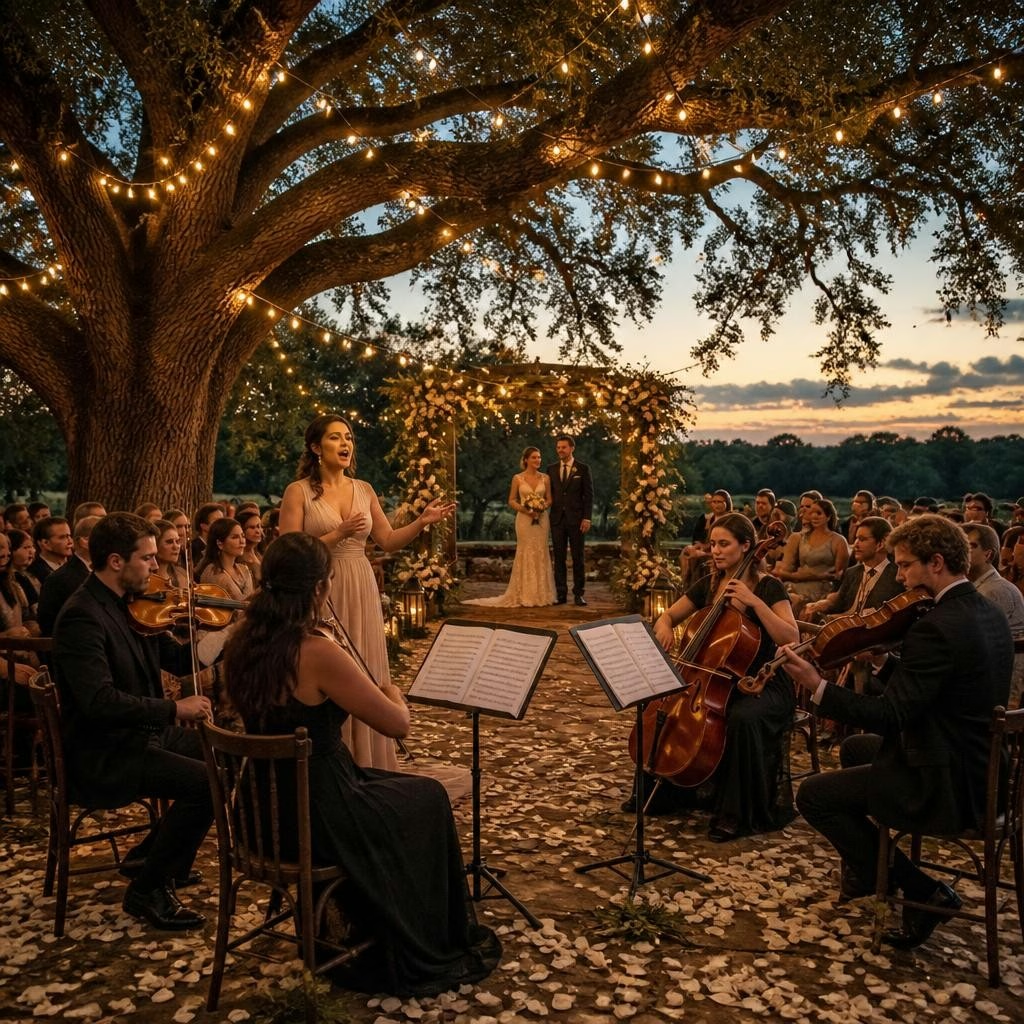
Why an opera aria can elevate a wedding — and when it might not
An opera aria brings a distinctive emotional intensity and vocal richness that can make key moments of a wedding feel unforgettable. At the same time, unfamiliar languages, long dramatic passages, or overly theatrical delivery can leave guests feeling disconnected. The goal is to preserve the expressive power of the aria while making it accessible: let the music move people, but avoid choices or presentations that create distance.
Choose arias for immediate emotional clarity
Prioritize pieces with simple, singable melodies and clear emotional intent. Look for short sections or famous lines that quickly communicate joy, longing, or blessing. Consider a brief vocal solo rather than a lengthy operatic scene. If you prefer examples to guide discussions with your singer, bring recordings of short, well-known passages to illustrate the mood you want rather than relying on obscure selections that require explanation.
Adapt length and language to your guests
A full operatic scene can be too long for a ceremony setting; plan for a one- to three-minute excerpt that preserves the high point of the aria. For language, there are several options: sing in the original language but provide a printed translation in the program; perform a tasteful translation in the ceremony language; or select an aria whose emotional content is clear even without literal understanding. For bilingual ceremonies, a brief English or Spanish line before or after the aria helps bridge the gap and reinforce meaning.
Where to place an aria in the order of service
Match the aria’s mood to the ceremony moment. Suitable placements include: as the processional to introduce the bridal entrance with grandeur, as a reflective piece during a lighting or unity ritual, during the signing of the register as a dignified musical interlude, or as an intimate pre-recessional solo to leave guests with a lingering feeling. Avoid placing dramatic arias over spoken vows or when the officiant needs the congregation’s full attention.
Arrange collaboration with accompanists and venue staff
Discuss instrumentation and amplification early. A piano, small chamber ensemble, organ, or tasteful backing track can support a solo voice; ensure arrangements are scaled to the venue so the voice remains clear and present. Work with the venue’s audio team to set microphone placement and sound levels, and confirm any restrictions on recorded music or amplification. Coordinate timing with the officiant, processional cues, and any choir or cantor so transitions feel seamless.
Prepare guests to listen and feel, not to analyze
Help guests receive the aria by including a short program note or a one-sentence announcement before the piece that explains its role in the ceremony (for example, “A short solo to reflect on love and commitment”). If appropriate, provide a line or two of translation in the printed program. Keep spoken introductions brief and warm — the aim is to orient listeners, not to lecture them on opera history.
Rehearsals and working with a professional singer
Schedule at least one run-through at the ceremony venue when possible so the singer can adjust dynamics and timing to the acoustics. If you plan to include classical-style singing, consider a few lessons or coaching sessions beforehand to ensure comfort and consistency; experienced teachers can help with diction, breath support, and stylistic shaping so the performance feels natural and communicative. If you are in the Houston or broader Texas area, collaborate with performers experienced in both liturgical and secular settings to benefit from practical rehearsal approaches and bilingual presentation when needed.
Article by
Aria Music by Priscilla Salisbury
Elevate your special day with Aria Music by Priscilla Salisbury, a premier wedding service that brings a uniquely elegant and sophisticated musical experience to ceremonies across Texas. Priscilla, a professional opera singer, provides stunning vocal performances that add a touch of timeless class to your wedding, gala, or special event. Whether you are planning a grand affair or an intimate gathering, let her exquisite voice create a beautiful and memorable atmosphere for your celebration. Aria Music also offers personalized vocal lessons.