How Opera-Based Voice Training Builds Stage Confidence for Young Performers
Learn how studying opera and classical repertoire strengthens diction, projection, breath control, and stage presence — with practical ways young singers can apply these skills in school plays, recitals, and auditions.
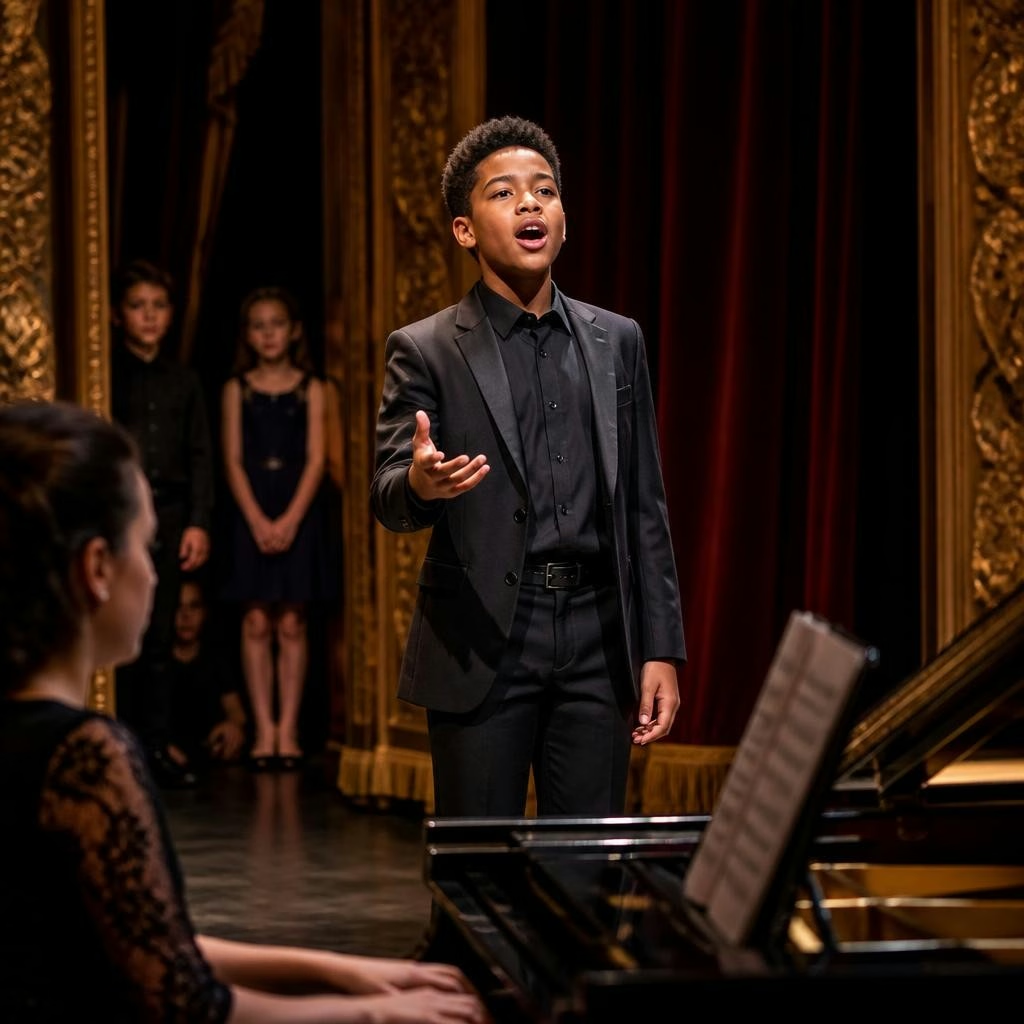
Why opera training matters for young performers
Opera-based voice training emphasizes healthy technique and musical discipline in ways that transfer directly to any performance setting. For young singers, this training builds a reliable vocal foundation: clear vowels, steady breath support, controlled resonance, and the confidence that comes from knowing how the voice works. Those elements reduce stage anxiety because the student can depend on repeatable skills rather than hoping for a good night.
Diction and projection: being heard and understood
Classical repertoire places a strong premium on clear text and sustained, supported tone. Exercises used in opera training—focused vowel shaping, consonant placement, and forward resonance—help young performers project without strain and make every word intelligible. These tools are immediately useful in school plays and recitals where articulation and presence determine whether an audience connects with the character or the song.
Breath support and technical grounding
A hallmark of opera instruction is a methodical approach to breath management and posture. Lessons that teach where breaths originate and how to support phrases encourage economy of effort and endurance on stage. This technical grounding allows students to sing longer phrases, execute dynamic shading, and move with confidence during blocking or choreography because their vocal mechanism is stable and consistent.
Stage presence, musicality, and dramatic intent
Beyond technique, opera training develops interpretive skills: shaping a phrase, understanding text, and inhabiting a role. Working with classical repertoire trains performers to think about character, line intention, and communication—skills that translate to acting onstage and to more compelling audition presentations. Practice in stylistic phrasing and expressive contrast helps a young artist make clear choices that engage judges, directors, and audiences.
Practical exercises to transfer skills to plays and recitals
Simple, targeted exercises accelerate the transfer from lesson room to stage. Examples include: short daily breath-support drills (sustained notes on open vowels), diction drills using tongue-twisters set to rhythm, sight-singing from short excerpts to improve reading at first sight, and mock run-throughs combining movement with singing. Use aria or art-song fragments to build stamina, then practice the same vocal goals within a play monologue or a musical theatre number to ensure stylistic flexibility.
What to look for in a teacher and lesson structure
When selecting a teacher for opera-based training, look for someone who balances technical rigor with encouragement and who can tailor studies to the student’s goals. A teacher who explains anatomical basics, works from the ground up in technique, and helps with audition preparation will be especially helpful for students aiming to perform in school settings as well as in more formal classical contexts. Evidence of supportive, structured teaching—along with experience preparing students for auditions and sight-singing—indicates lessons that build both skill and confidence.
Bringing it together: next steps for families in Houston and Texas
If your child is preparing for a school play, recital, or audition, consider lessons that include classical technique, repertoire reading, and performance coaching so progress is both measurable and practical. Aria Music by Priscilla Salisbury offers voice lessons and opera training across Texas, and parents have noted steady technical improvement and careful, anatomy-informed instruction that supports audition and presentation skills. Begin with a short goal-setting lesson, establish a consistent practice routine, and include periodic mock performances to build comfort and poise on stage.
Customer review


Article by
Aria Music by Priscilla Salisbury
Elevate your special day with Aria Music by Priscilla Salisbury, a premier wedding service that brings a uniquely elegant and sophisticated musical experience to ceremonies across Texas. Priscilla, a professional opera singer, provides stunning vocal performances that add a touch of timeless class to your wedding, gala, or special event. Whether you are planning a grand affair or an intimate gathering, let her exquisite voice create a beautiful and memorable atmosphere for your celebration. Aria Music also offers personalized vocal lessons.