Houston Wedding Ceremony Music Timeline: Where to Place Solos, Hymns, and Instrumentals
A practical, minute-by-minute guide for Houston couples explaining where vocal solos, congregational hymns, and instrumental sections typically fit in a wedding ceremony, with pacing tips so the Mass or service flows naturally.
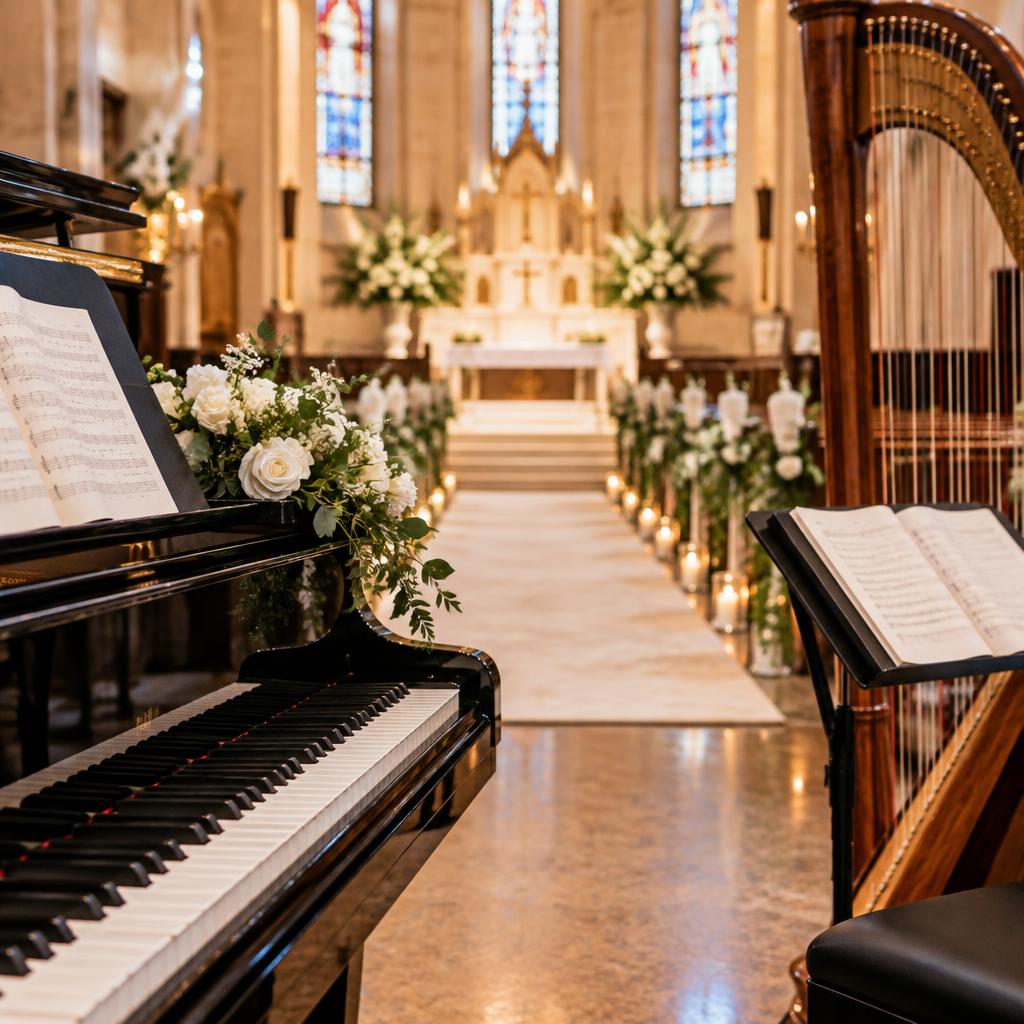
Why a detailed music timeline matters
Music sets the tone of a ceremony and guides emotional pacing from the first guest arrival to the final recessional. For couples planning a Mass or liturgical service, placing solos, congregational hymns, and instrumental passages with intention keeps the ritual moving, supports the officiant’s cues, and helps musicians and singers deliver confident performances. This article outlines a clear timeline you can adapt to your venue, ceremony type, and musical forces.
Pre-ceremony and prelude: 15–30 minutes before start
The prelude is the musical backdrop while guests arrive and are seated. Typical choices are short instrumental pieces, solo arias or art songs performed softly, or recorded music that complements live singing. Keep prelude selections lighter in tempo and dynamic so they welcome guests without competing with conversation. Plan 3–5 different items of 1.5–3 minutes each to cover a 15–30 minute window and confirm sound levels and mic placement during the rehearsal.
Processional timing: where to place solos and hymn introductions
The processional covers the entrance of attendants and the couple. A single ceremonial piece (3–5 minutes) often works best: either a full solo or an instrumental arrangement timed to the procession’s pace. If a congregational hymn is desired for the entrance, begin the organ or instrumental introduction before the procession starts so the congregation can join on the first sung phrase. Coordinate with the officiant on where the officiant and bridal party pause—those pauses are natural spots for a short solo phrase or instrumental flourish.
Liturgy and readings: balancing solos, psalms, and congregational singing
During a Mass or liturgical service, common musical elements include a responsorial psalm, a hymn, and music for the Gospel or offertory. Use a cantor or soloist for the psalm to lead melodic material while keeping verses short and supported by the organ or piano. Congregational hymns are best placed at moments where the assembly stands and participates—typically at the beginning of the service and after the readings. Practical tip: choose hymns with simple, familiar melodies and clear verses so the congregation can join easily.
Special musical moments: solos for vows, ring exchange, and communion
Short vocal solos or instrumental interludes can heighten intimate moments like the vow exchange, ring blessing, or communion. Keep these pieces concise (60–120 seconds) and agree on exact start and end cues with the officiant. For communion or reflective periods, select slower, meditative repertoire that supports contemplation; for vows or symbolic rites, consider a brief lyrical phrase that underscores the moment without drawing focus away from spoken elements.
Recessional and postlude: ending with clarity
The recessional should feel celebratory and clearly signal the ceremony’s conclusion. Choose an upbeat, well-coordinated piece (2–4 minutes) that allows the couple and procession to exit without awkward pauses. The postlude can continue the mood while guests transition to the reception. Confirm who gives the cue to start the recessional—often the officiant or wedding coordinator—to avoid timing mishaps.
Practical coordination: rehearsals, acoustics, and bilingual or choir considerations
Schedule a musical run-through during the rehearsal to set exact timings, microphone needs, and cues with soloists, accompanists, and the officiant. Consider venue acoustics—large churches with long reverberation benefit from sparser textures and slower tempos; dry, intimate spaces allow for more detailed vocal ornamentation. If your ceremony includes bilingual elements or mixed-language choirs, confirm pronunciation, translations, and phrasing in advance so transitions feel seamless. Clients have noted the value of bilingual workshops and practical psalm preparation when planning liturgical music.
Sample minute-by-minute checklist and next steps
Sample timeline (adapt as needed): prelude (15–30 min window of short pieces), processional (3–5 min), opening hymn or solo (2–3 min), readings and psalm (5–10 min), offertory/anthem or solo (3–5 min), vows/exchange with brief musical interlude (2–4 min), communion/reflective music (5–10 min), final hymn and blessing (3–5 min), recessional (2–4 min), postlude (2–5 min). To finalize your timeline, meet with your chosen vocalist and accompanist to confirm repertoire, rehearsal availability, and cues. For Houston couples seeking an experienced operatic soprano for ceremony music or vocal preparation, Aria Music by Priscilla Salisbury provides performance and coaching services and is based in Houston with service across Texas.
Customer review


Article by
Aria Music by Priscilla Salisbury
Elevate your special day with Aria Music by Priscilla Salisbury, a premier wedding service that brings a uniquely elegant and sophisticated musical experience to ceremonies across Texas. Priscilla, a professional opera singer, provides stunning vocal performances that add a touch of timeless class to your wedding, gala, or special event. Whether you are planning a grand affair or an intimate gathering, let her exquisite voice create a beautiful and memorable atmosphere for your celebration. Aria Music also offers personalized vocal lessons.