Houston Wedding Ceremony Music Timeline: When to Have Live Vocals and How Long They Should Last
A practical, minute-by-minute guide to placing live vocal music in a Houston wedding ceremony—how long each selection typically runs, where to put solos or ensemble singing, and planning tips to keep your ceremony flowing and beautiful.
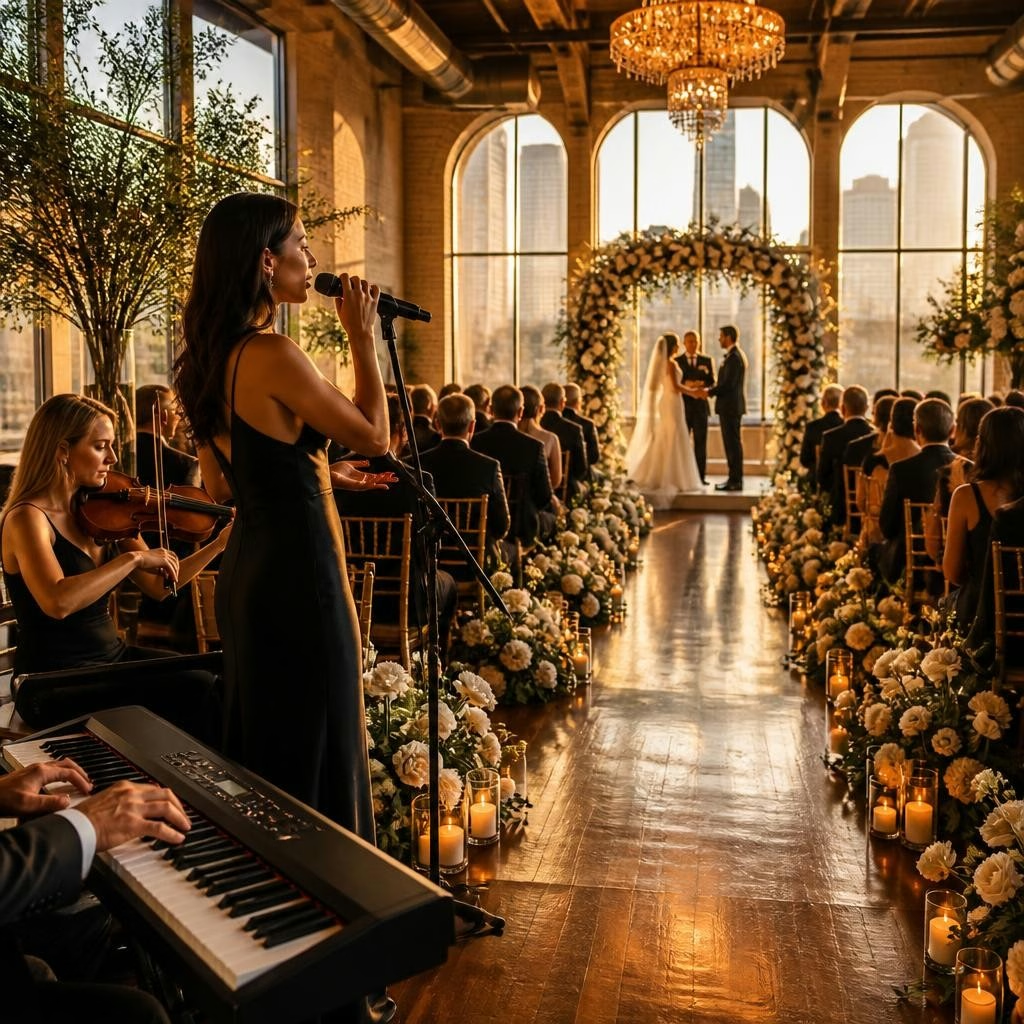
Why plan a ceremony music timeline
A clear timeline for live vocal music keeps your ceremony graceful, on schedule, and emotionally resonant. For couples in Houston and across Texas, live vocals—from a solo aria to a congregational hymn—set the tone for key moments and help guests move through the ceremony without awkward pauses. Planning lengths and cue points ahead of time also protects the singer’s voice and ensures smooth coordination with officiants, instrumentalists, and venue staff.
Overall ceremony timing at a glance
Most wedding ceremonies run 15–30 minutes. Typical musical moments include a prelude (background music as guests arrive), the processional, any interlude(s) or special music (for readings or unity rituals), and the recessional. A sensible breakdown is: prelude 15–30 minutes of music, processional one piece (approximately 60–90 seconds) or short sequence of pieces totaling 2–3 minutes, one or two ceremony pieces of 1–3 minutes each, and a recessional of 45–90 seconds. These ranges allow for different traditions and accommodate live vocal arrangements.
Prelude: setting the atmosphere (15–30 minutes)
The prelude helps guests settle in and establishes the ceremony’s mood. Live vocals are optional here; if you choose a singer, consider short selections or quiet classical art songs sung intermittently rather than continuous arias, to avoid listener fatigue. Alternatively, recorded music or instrumentalists can cover most of the prelude while the vocalist performs a final short piece just before the processional. If the vocalist will sing during the prelude, plan for 3–6 short numbers or roughly 10–15 minutes of sung material within the 15–30 minute window.
Processional: timing and song length (60–180 seconds)
The processional is one of the most commonly requested live-vocal moments. A single vocal piece usually lasts 60–90 seconds—long enough to accompany the wedding party and the couple without dragging. If you prefer multiple short entrances (for example, attendants then the couple), choose two shorter selections or an arrangement with an instrumental introduction and a vocal climax timed to the couple’s entry. Communicate precise walking speed and staging with the singer during rehearsal so the piece’s length matches the procession.
Ceremony highlights: solos, unity rituals, and interludes (1–3 minutes each)
Ceremony interludes—such as a unity candle, sand ceremony, or a reflective reading—are natural places for a solo vocal piece. Aim for selections in the 60–180 second range so the music supports but does not overshadow the ritual. For religious ceremonies that include hymns or congregational singing, a vocalist or cantor can lead one or two verses (about 60–90 seconds each), with the option of an additional short solo afterward. Keep in mind the singer’s stamina: one or two well-timed numbers is usually more effective than multiple long arias.
Recessional and post-ceremony music (45–120 seconds)
The recessional is celebratory and typically brief. A single bright piece of 45–90 seconds works well for couples who exit quickly, while longer recessional arrangements of up to 120 seconds suit a more staged exit or when the party pauses for photos. Following the ceremony, consider live vocals for an exit blessing or final hymn, but limit extra sung pieces to avoid extending the formal portion of the event beyond your planned timeline.
Practical planning tips for live vocalists
Coordinate early with the vocalist about repertoire, keys, and timing. A professional singer can advise on which pieces fit the singer’s range and endurance, and whether instrumental introductions or cuts are needed to meet time targets. Discuss amplification and acoustics with the venue—indoor chapels and open-air spaces require different sound setups. Provide clear cues for the officiant and instrumentalist, and schedule at least one full run-through so pacing, entrances, and exits align with the music.
Working with Aria Music and choosing the right selections
When you hire a vocalist experienced in classical and liturgical repertoire, you gain a partner who understands diction, breath support, and musical pacing—qualities that matter for brief, impactful wedding pieces. Whether you want a traditional processional aria, a hymn led by a cantor, or a short contemporary arrangement, plan for 2–4 sung moments within the ceremony and keep individual pieces within the time ranges above. Communicate ceremony flow and guest seating plans in advance so your singer can prepare appropriate arrangements and ensure the musical elements enhance — rather than interrupt — your special day.
Article by
Aria Music by Priscilla Salisbury
Elevate your special day with Aria Music by Priscilla Salisbury, a premier wedding service that brings a uniquely elegant and sophisticated musical experience to ceremonies across Texas. Priscilla, a professional opera singer, provides stunning vocal performances that add a touch of timeless class to your wedding, gala, or special event. Whether you are planning a grand affair or an intimate gathering, let her exquisite voice create a beautiful and memorable atmosphere for your celebration. Aria Music also offers personalized vocal lessons.