Classical vs. Musical Theatre vs. Pop: Choosing the Right Voice Lesson Path for Your Houston Teen
A practical guide for Houston-area parents and teens comparing classical, musical theatre, and pop vocal training, with guidance on when classical/opera-focused lessons are most beneficial and how they can support broader performance goals.
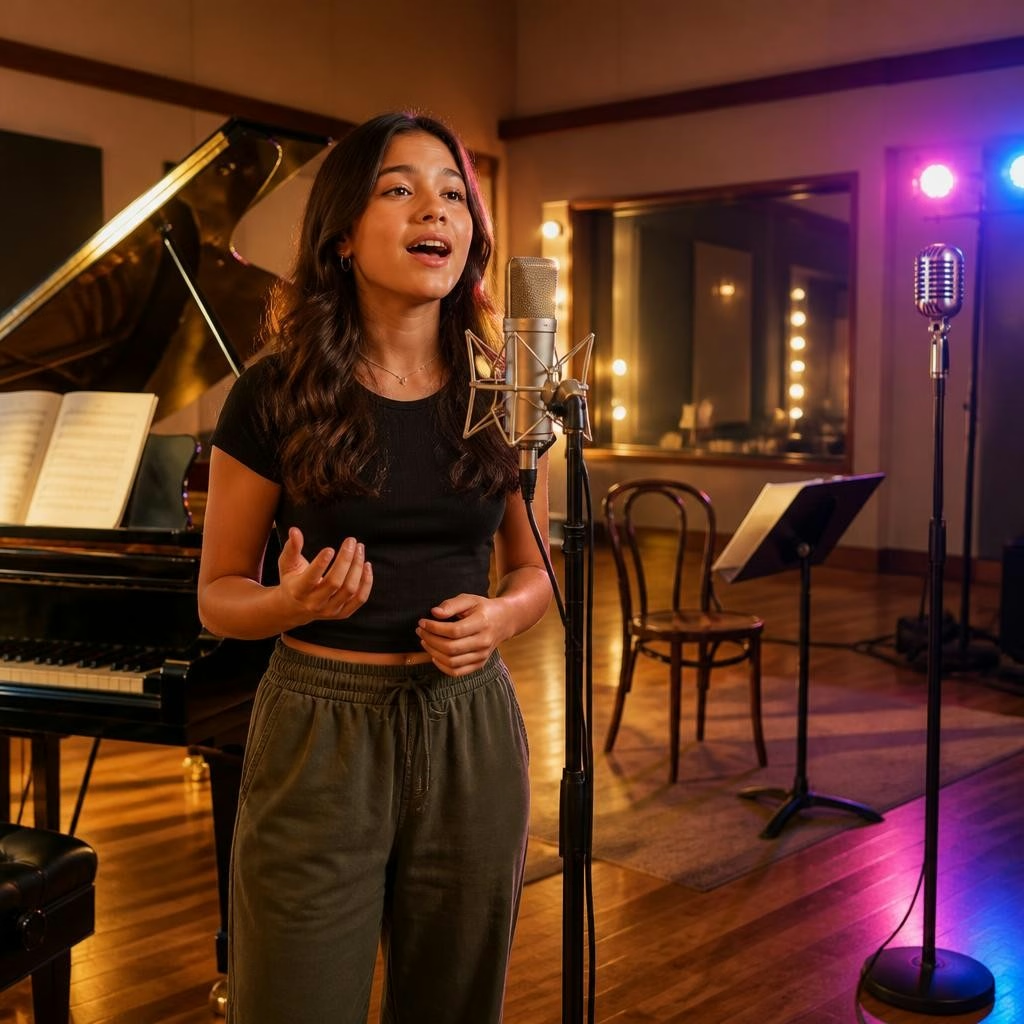
Why the right vocal path matters
Choosing between classical, musical theatre, or pop-focused voice lessons affects technique development, repertoire, audition readiness, and long-term vocal health. For Houston teens with school choirs, community theatre, or ambitions to study music, selecting the approach that matches immediate goals and future plans helps maximize lesson time and avoid unhealthy habits. This article explains core differences, how classical training can support other styles, and practical steps families can take when evaluating teachers and lesson plans in the Houston area.
What classical/opera training emphasizes
Classical or opera-oriented lessons focus on breath management, consistent resonance, vowel placement, clear diction, and reading music. Teachers work from score to develop sight-singing and interpretive skills. The pedagogy tends to be methodical and anatomy-informed, aiming to build balanced coordination across registers so the voice can project with minimal strain. This path is especially valuable for teens interested in competitive choir, conservatory preparation, or improving core technique that supports vocal longevity.
What musical theatre training emphasizes
Musical theatre lessons prioritize storytelling, character, text delivery, and stylistic flexibility. Instruction usually includes acting techniques, connected speech-style singing, and safe approaches to belting and mixed voice. Repertoire selection often centers on audition cuts and songs that showcase dramatic range. For teens aiming for school musicals, community theatre, or college theatre programs, this path builds performance confidence and teaches how to switch moods and styles while preserving vocal health.
What pop/contemporary training emphasizes
Pop or contemporary lessons focus on stylistic phrasing, microphone technique, and tone production suited to recording and amplified performance. Teachers work on vocal color, precise intonation, and the stylistic use of breathy tones, riffs, and runs. Emphasis is often on communication and presentation, with practice toward songs that match current charts and audition requirements for bands or contemporary programs.
How classical technique supports other genres
Classical training provides a technical foundation that transfers across genres: reliable breath support, healthy phonation, consistent vowel shaping, and sight-reading ability make learning new repertoire faster and safer. Parents of students who pursued classical lessons frequently report measurable improvements in tone, diction, and musical literacy, and that those skills eased audition preparation and stylistic transitions. If a teen wants longevity and versatility, beginning with a teacher who stresses core technique can reduce risk of strain when later adapting to musical theatre or pop styles.
Factors to consider when deciding
Start with goals: ask whether the priority is technical development, audition-ready show tunes, or contemporary performance skills. Consider voice type and comfort: some teens naturally gravitate to dramatic repertoire while others prefer contemporary styles. Also factor in timeline—short-term goals like an upcoming school audition may favor targeted musical theatre or pop coaching, while long-term aims (conservatory applications, classical competitions) benefit from sustained classical training. Look for teachers who tailor lessons to student goals and communicate progress clearly.
What to look for in a teacher and next steps in Houston
When evaluating teachers in Houston, seek clear signs of structured, anatomically informed instruction and a record of working with teens on sight-singing, diction, and audition preparation. Ask prospective teachers about lesson structure, repertoire planning, and how they prepare students for specific auditions or performances. A number of local families praise instruction that balances technical rigor with a supportive, nurturing approach—qualities that help teens stay motivated while improving. If you’re exploring options, consider scheduling an initial consultation to discuss goals and observe teaching style; for families interested in classical technique, local professionals who offer opera and classical repertoire coaching can provide a strong foundation for whatever performance path your teen chooses.
Customer review


Article by
Aria Music by Priscilla Salisbury
Elevate your special day with Aria Music by Priscilla Salisbury, a premier wedding service that brings a uniquely elegant and sophisticated musical experience to ceremonies across Texas. Priscilla, a professional opera singer, provides stunning vocal performances that add a touch of timeless class to your wedding, gala, or special event. Whether you are planning a grand affair or an intimate gathering, let her exquisite voice create a beautiful and memorable atmosphere for your celebration. Aria Music also offers personalized vocal lessons.