Choosing Processional Music for a Church Wedding in Houston: Traditional, Sacred and Modern Options
Practical guidance for couples marrying in Houston churches on selecting processional music that respects liturgical norms, suits an opera-style soloist, and reflects personal taste—plus repertoire ideas and rehearsal tips.
Why the processional sets the tone
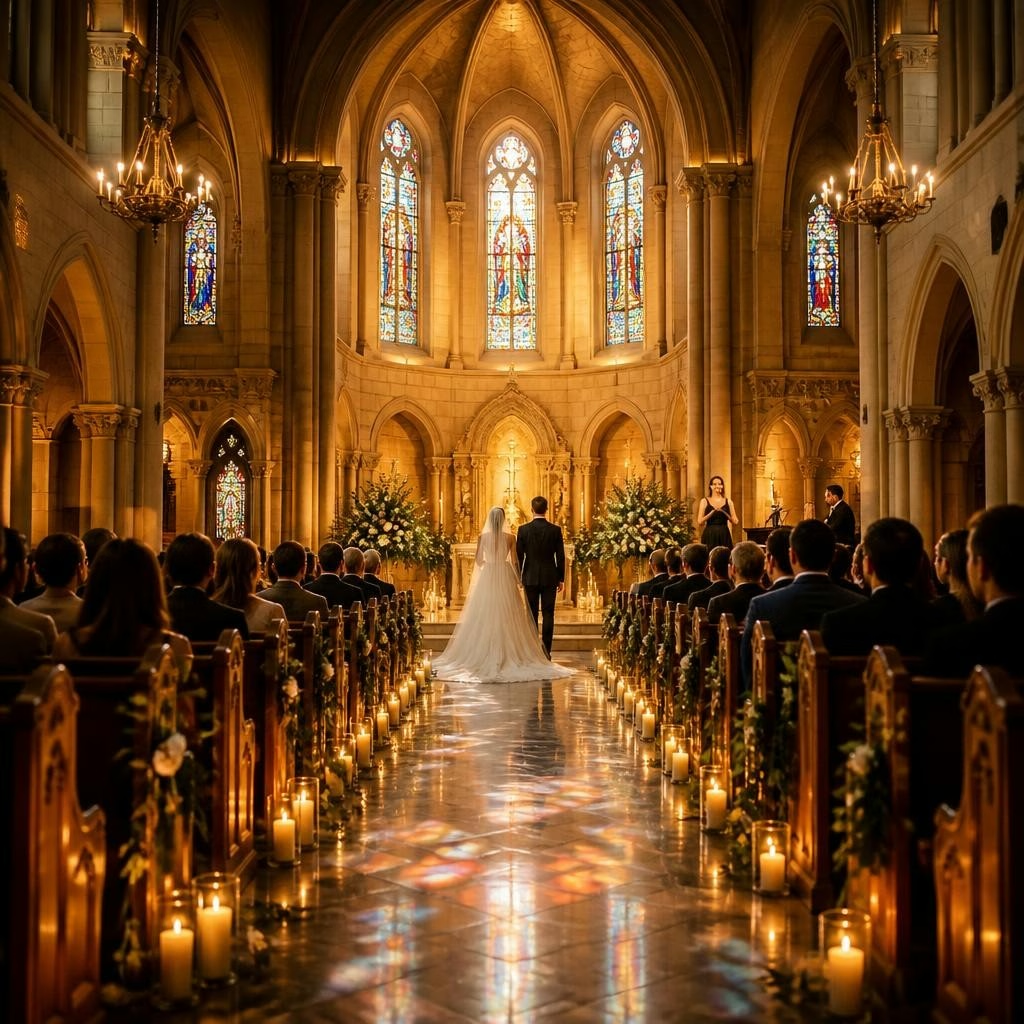
The processional is the musical moment that introduces the ceremony and establishes its emotional and spiritual atmosphere. In a church wedding this moment often needs to balance reverence with personal expression: music should support the liturgy, carry well in the building’s acoustics, and fit the tempo and length of the entrance. When you plan a processional with a live, operatic soloist, the vocalist’s style and range will shape which pieces work best.
Start by checking church guidelines
Every parish or denomination has different rules about music, language, and where solo vocal pieces may be used. Before finalizing repertoire, contact your officiant and the church music director or organist to confirm permitted texts and timing, whether the organ will accompany, and whether the congregation will join in any hymn. Many Houston churches are welcoming of classical and sacred repertoire but require prior approval—getting permission early avoids last-minute changes.
Choose repertoire that suits an opera-style voice
An operatic or classically trained singer brings power, sustained phrasing, and a particular approach to tone and diction. Pick pieces that allow for clear vowel placement, controlled breath support, and appropriate dynamics so the text remains intelligible in the sanctuary. If you plan to use Latin or Spanish passages, work with your singer on pronunciation and phrasing. Your vocalist or voice teacher can help transpose a piece to a comfortable key and recommend adjustments for the church’s acoustics.
Traditional and sacred classical options
Classical sacred pieces are popular for processionals because they pair well with a solo voice and lend a timeless quality. Commonly chosen options include settings of Ave Maria (such as Schubert or Gounod), short operatic arias that convey lyrical devotion, and baroque or choral works adapted for solo performance. Some musical selections that couples often consider are well-suited to a soloist’s expressive delivery; however, suitability depends on liturgical appropriateness and the ceremony’s flow—consult the church first.
Hymns, anthems, and modern sacred choices
If you prefer something congregational or more contemporary, a soloist can perform a hymn tune or modern sacred song as a processed solo or with the congregation joining later. Modern worship ballads and faith-based solos can be arranged for classical voice and provide a familiar, intimate feel. When selecting these pieces, keep in mind text clarity, phrasing length, and whether the song’s structure fits the walking pace and timing of the processional.
Rehearsal and technical considerations
Rehearse in the worship space whenever possible. Practice with the actual accompanist—organist, pianist, or instrumental ensemble—to set tempi and cues. Discuss microphone use: some churches require acoustic singing, others prefer amplification for clarity. Confirm entrance timing, how the music will end (a held note, diminuendo, or instrumental tag), and any cue for the bridal party. Working with a vocal coach or teacher in the weeks before the wedding helps refine diction, breath support, and dynamic control so the performance fits the ceremony. Aria Music offers voice lessons and coaching that many clients find helpful for preparing repertoire and improving projection and articulation.
Bilingual and pastoral considerations for Houston churches
Houston’s congregations are diverse, and bilingual services or bilingual elements are common. If your ceremony will include English and Spanish, discuss language choices with the officiant and your singer; a bilingual solo or alternating-language verses can be meaningful when handled respectfully and clearly. Many couples find that preparing liturgically appropriate music in both languages strengthens congregational participation and honors family heritage. Final coordination—securing approvals, scheduling rehearsals, and confirming accompaniment—will ensure the processional complements both the liturgy and your personal preferences.
Article by
Aria Music by Priscilla Salisbury
Elevate your special day with Aria Music by Priscilla Salisbury, a premier wedding service that brings a uniquely elegant and sophisticated musical experience to ceremonies across Texas. Priscilla, a professional opera singer, provides stunning vocal performances that add a touch of timeless class to your wedding, gala, or special event. Whether you are planning a grand affair or an intimate gathering, let her exquisite voice create a beautiful and memorable atmosphere for your celebration. Aria Music also offers personalized vocal lessons.