Choosing Ceremony Music for Interfaith Weddings in Houston
Practical guidance and repertoire ideas for blending sacred music, classical selections, and neutral love songs so both faith traditions feel honored during an interfaith wedding ceremony in Houston.
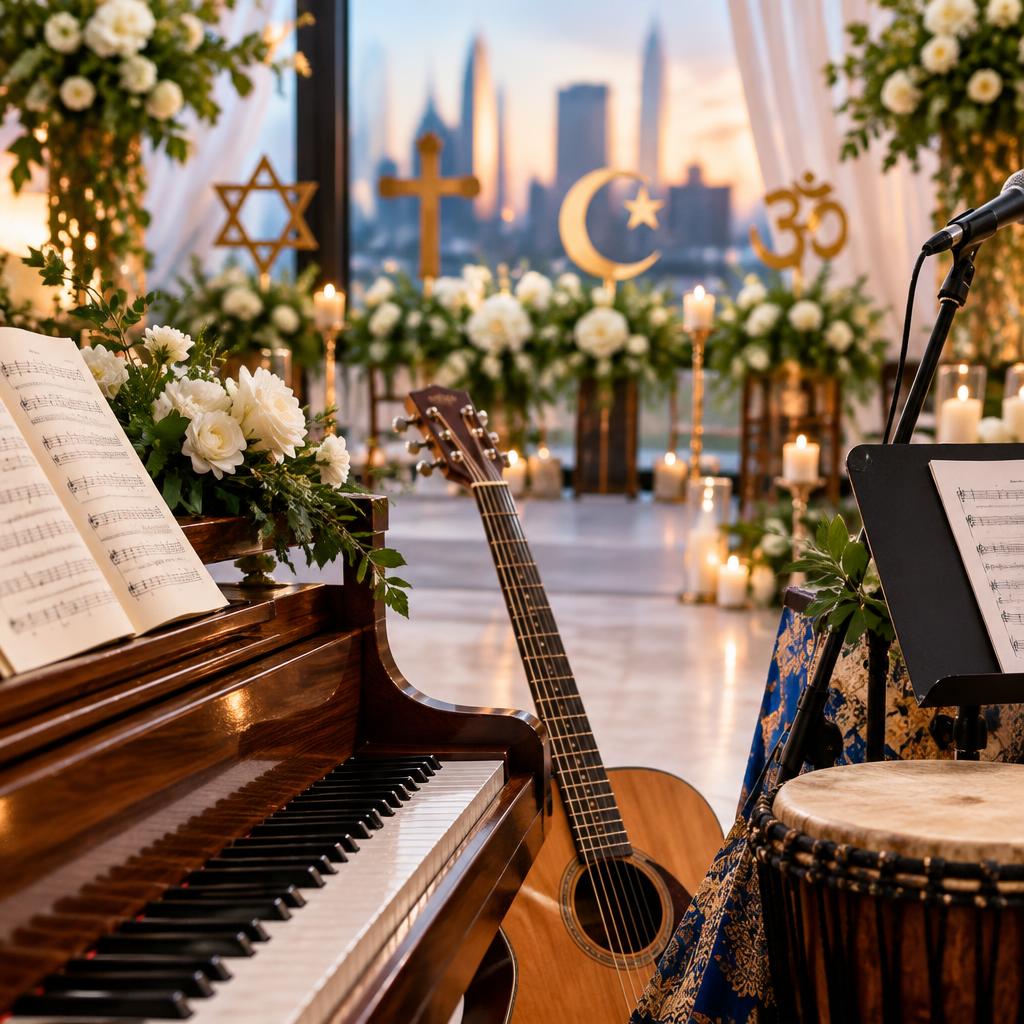
Why thoughtful music planning matters for interfaith ceremonies
Interfaith weddings bring together different spiritual languages, family traditions, and expectations. Music is one of the most powerful ways to acknowledge and honor both traditions while smoothing transitions between ritual moments. Thoughtful selection — not just of individual songs but of where each piece sits in the service — helps create a unified atmosphere of respect and celebration.
Map the ceremony: where music makes the biggest impact
Start by breaking the ceremony into its musical moments: the prelude (guest arrival), processional(s), any ritual or liturgical elements, the unity moment, and the recessional. Each moment has a different emotional purpose: preludes set tone, processionals mark formal transitions, ritual music supports sacred action, and recessions send guests out in joy. Choosing the right style and language for each slot makes it easier to balance both faith traditions without forcing one to substitute entirely for the other.
Balancing sacred selections from two traditions
When both partners want sacred music, look for short, recognizable options from each tradition and place them where they fit most naturally — for example, a brief sacred piece to accompany a ritual and a different sacred selection at communion or blessing. Psalm settings or short chant-like pieces often translate well across traditions because of their meditative character. If you plan to include prayers or psalms, provide translations and a one-line explanation in the program so guests understand the meaning behind each selection.
Classical and neutral vocal pieces that bridge traditions
Neutral yet uplifting vocal music can be a helpful bridge when a purely sacred choice isn’t suitable for both families. Short classical arias and art songs convey emotional depth without explicit liturgical content. Examples commonly used in ceremonies include brief operatic arias or lyrical art songs adapted for recital-style performance; these showcase a trained soprano voice while keeping the text secular and universally accessible. Keep vocal selections concise so they enhance rather than prolong the program.
Using bilingual performance and text to include everyone
Singing in both languages — whether alternating verses, using a chorus in one language and a solo in another, or providing bilingual programs — is a respectful and practical approach. Bilingual presentation can be especially meaningful when family groups are split by language. Experience leading bilingual workshops and rehearsals helps singers deliver text naturally in both languages and lets congregations follow along. If congregational singing is desired, choose short refrains that are easy to learn in both languages.
Coordinate with faith leaders and family stakeholders
Early conversations with clergy or officiants are essential. Ask about any repertoire restrictions, preferred placements for sacred music, and whether congregational participation is appropriate. Share your proposed program and offer short recordings or live demos so leaders and families can hear how selections will sound. This collaborative approach reduces last-minute surprises and ensures the music supports — rather than conflicts with — the ceremonial flow.
Practical logistics: accompaniment, timing, and acoustics
Decisions about accompaniment (organ, piano, small ensemble, or recorded backing), amplification, and timing influence which pieces work best. Solo soprano selections need clear acoustic support; intimate venues benefit from piano or guitar, while larger sanctuaries may require amplification and rehearsal time to balance voice and instrument. Aim for concise musical cues: 60–90 seconds for processionals, 1–3 minutes for featured vocal pieces. Schedule at least one on-site rehearsal or sound check when possible so everyone knows entrances and pauses.
How Aria Music by Priscilla Salisbury can support your planning
For couples marrying in the Houston area who want a respectful, musically polished interfaith ceremony, working with a professional vocalist who understands both sacred and secular traditions helps tremendously. Priscilla Salisbury offers ceremony music, experience with sacred repertoire, and vocal coaching for soloists or family members. One client review highlights bilingual workshops that helped English- and Spanish-speaking choir leaders learn together and feel included — a useful example of how inclusive preparation can bring families together. Discussing repertoire options, language needs, and rehearsal plans early will ensure your music honors both traditions and creates a meaningful, memorable ceremony.
Customer review


Article by
Aria Music by Priscilla Salisbury
Elevate your special day with Aria Music by Priscilla Salisbury, a premier wedding service that brings a uniquely elegant and sophisticated musical experience to ceremonies across Texas. Priscilla, a professional opera singer, provides stunning vocal performances that add a touch of timeless class to your wedding, gala, or special event. Whether you are planning a grand affair or an intimate gathering, let her exquisite voice create a beautiful and memorable atmosphere for your celebration. Aria Music also offers personalized vocal lessons.