Buying in a Flood-Prone City: Understanding Houston Flood Zones and Flood Insurance
A practical guide for home buyers in Houston explaining how flood zones work, how to check a property's flood risk, what influences flood insurance costs, and the right questions to ask a local REALTOR before making an offer.

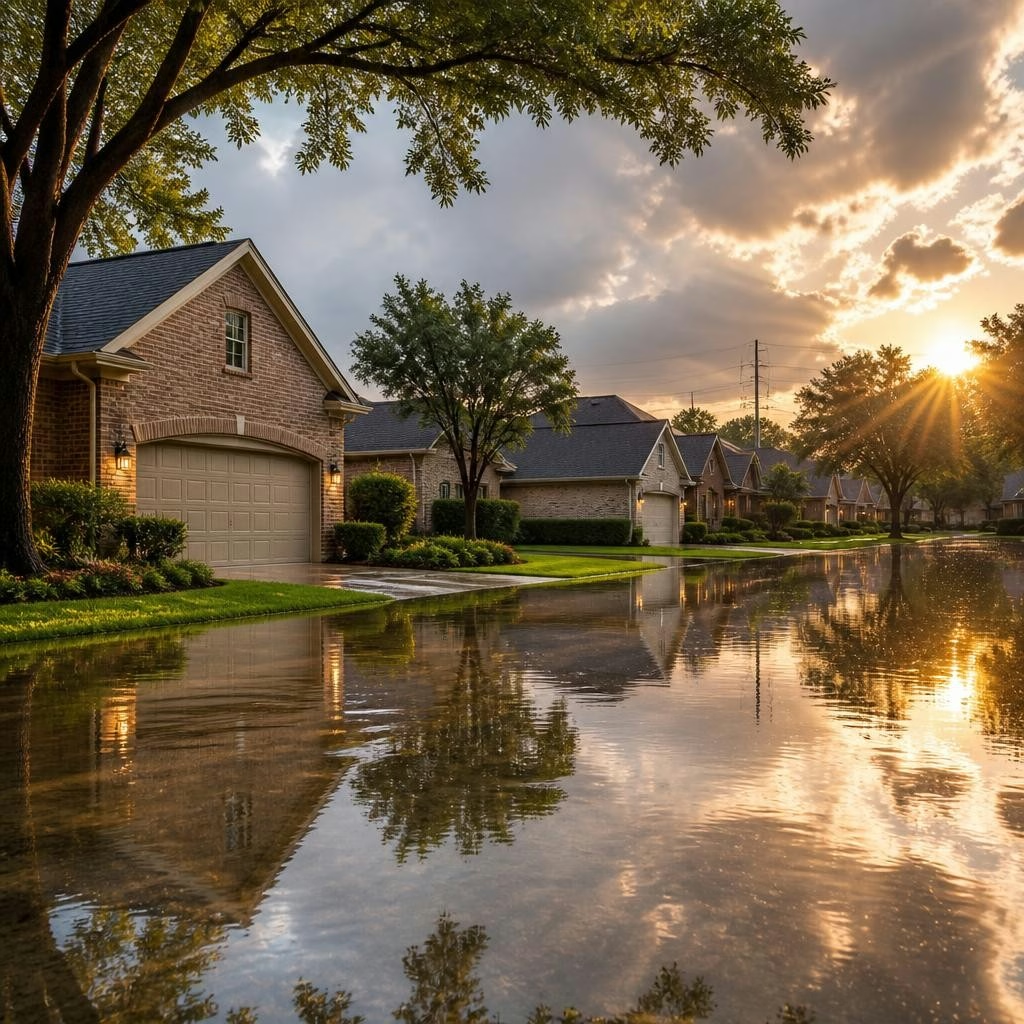
Why flood risk matters for Houston homebuyers
Houston's geography and storm history mean flood risk is a central factor when buying a home. Whether you plan to live in the house or rent it out, flood exposure affects safety, ongoing costs, mortgage requirements, and resale value. Understanding flood zones early in the buying process helps you evaluate risk, budget for insurance or mitigation, and avoid unpleasant surprises during escrow.
How flood zones are defined and labeled
Flood zones are designations created using federal maps and local studies to show relative flood risk. FEMA's Flood Insurance Rate Maps (FIRMs) identify areas such as Special Flood Hazard Areas (commonly labeled Zone A or AE) that face higher flood risk, and lower-risk zones (Zone X, shaded or unshaded). Some coastal or riverfront areas may appear as V zones or A zones with additional considerations. Knowing a property's zone is the first step in assessing exposure.
Practical steps to check a property's flood risk
Start with the FEMA Map Service Center to view the property's mapped flood zone, then cross-check with Harris County and the Houston Flood Control District maps for local updates. Ask the seller or listing agent for any elevation certificate or floodplain determinations that already exist. Look into historical flood reports or news for the neighborhood, and consider a site visit after heavy rain to observe drainage. For a definitive assessment, obtain an elevation certificate from a licensed surveyor or request a professional floodplain evaluation.
Flood insurance basics and lender requirements
Flood insurance is available through the National Flood Insurance Program (NFIP) and a growing number of private insurers. Mortgage lenders typically require flood insurance if the property lies in a Special Flood Hazard Area shown on an official flood map. Policies can cover the building structure and, separately, personal contents; coverage options, limits, and exclusions vary, so get clear quotes and policy documents before closing.
What affects flood insurance costs (what to expect)
Insurance premiums depend on several factors: the property's flood zone, its elevation relative to the base flood elevation (BFE), foundation type, age and reconstruction history, prior flood claims, chosen coverage limits and deductibles, and whether the community participates in FEMA's Community Rating System (CRS). Mitigation measures—such as elevating utilities or installing flood vents—can reduce premiums over time. Because each property is unique, ask insurance providers for written estimates rather than relying on general price ranges.
Questions to ask a local REALTOR before making an offer
Before submitting an offer, ask your agent to clarify: the property's mapped flood zone and any recent map changes; whether an elevation certificate or flood insurance claim history exists; seller disclosures about past flooding or repairs; whether lenders are likely to require flood insurance; estimated insurance providers or referrals for quotes; local mitigation work and required permits; and how the neighborhood fared in recent storms. A knowledgeable local agent will help you gather documents and prioritize inspections or surveys that matter for flood risk.
Next steps and how local expertise can help
If you’re seriously considering a Houston property, order a formal floodplain determination and get at least one insurance quote early in the process. Your REALTOR can coordinate requests for seller disclosures, recommend local surveyors or insurance agents for estimates, and help interpret elevation certificates and map results. Local clients frequently praise clear guidance from their agent when navigating flood questions, and having an agent who knows Houston resources can make the buying process smoother. Reach out to discuss a specific property’s risk and the documentation you’ll need to move forward.
Customer review


Article by
Yenni Ayon - REALTOR
Yenni Ayon is a trusted REALTOR® serving buyers, sellers, investors, and businesses with residential real estate services in Houston and surrounding areas. Whether you're buying your first home, selling a property, relocating, or purchasing an investment property, Yenni Ayon provides personalized guidance throughout the transaction. Residential services include home buying, home selling, buyer and seller representation, first-time homebuyer assistance, luxury homes, relocation, new construction, and investment properties. With local market knowledge, professional negotiation, and a client-focused approach, Yenni Ayon helps clients make informed real estate decisions.