Louisiana Flood Insurance 101: What Baton Rouge Homeowners and Renters Need to Know
A practical guide to why flood coverage is separate from standard policies, the specific flood risks Baton Rouge residents face, and step-by-step guidance on estimating the flood coverage you and your family need before storm season.

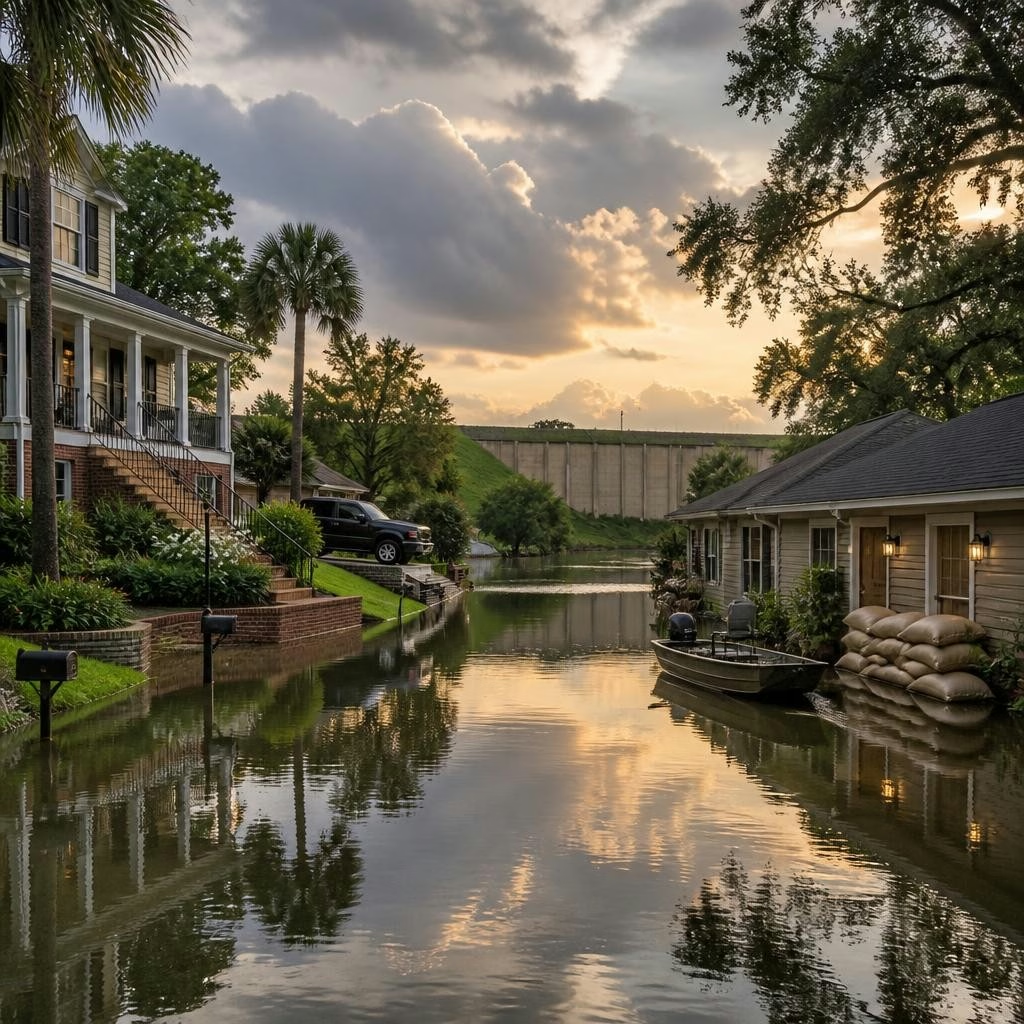
Why this matters for Baton Rouge homeowners and renters
Flooding is one of the most common and costly hazards in Louisiana. For homeowners and renters in Baton Rouge, understanding flood insurance is a critical part of protecting your property and your finances. This article explains why standard homeowners and renters policies typically don’t include flood damage, outlines local flood risks, and gives practical steps to estimate how much flood coverage you should buy before storm season.
Why standard home and renters policies don’t cover flood
Most homeowners and renters insurance policies exclude flood by design. Those policies cover perils such as fire, theft, and some water damage from burst pipes, but they generally do not pay for damage caused by rising water from heavy rain, overflowing rivers, or storm surge. If you rely only on a typical homeowners or renters policy, you may be left responsible for the full cost to repair structural damage and replace personal property after a flood.
Baton Rouge flood risks you should consider
Baton Rouge faces multiple sources of flood risk: intense rainfall, river and tributary flooding, and localized street flooding during storms. Low-lying areas and properties near drainage channels or older stormwater systems can be especially vulnerable. Even neighborhoods that haven’t flooded recently are not immune — heavy tropical storms or prolonged rain events can overwhelm drainage and lead to sudden flooding. Because risk varies by address, it’s important to check your property’s flood zone and recent local history when planning coverage.
How flood insurance works: options and basic rules
Flood insurance is available through the National Flood Insurance Program (NFIP) and from private insurers. NFIP policies are widely used and have standard coverage types for the building (dwelling) and for contents (personal property). Private flood policies can offer alternatives or expanded limits in some cases. Common practical points: flood policies often have a waiting period before coverage begins, coverage limits and deductibles differ from standard homeowners policies, and certain property elements (for example, some basements or elevated mechanical systems) may have special limitations. Because details matter, review policy language carefully and ask an agent to explain specific exclusions and limits.
Estimating how much flood coverage you need
Start by separating two needs: rebuilding the structure and replacing personal property. For homeowners, estimate the cost to rebuild your home (not the market value of the lot). Contractors, local building cost guides, and an agent can help estimate replacement cost. For contents, inventory your belongings and assign replacement values to major categories (appliances, electronics, furniture, clothing). Remember that some policies have sub-limits for valuable items, and detached structures or landscaping may have limited coverage. Renters should focus on contents coverage to replace personal belongings. Also check whether your mortgage lender or condo association requires a specific amount of flood insurance.
How Morris Insurance Group can help you prepare
Morris Insurance Group provides flood insurance options for Baton Rouge residents and can walk you through the choice between NFIP and private-market solutions. Our agents can help you obtain quotes, clarify waiting periods and limits, and compare dwelling versus contents coverage so you’re not paying for gaps—or for unnecessary overlap. Customers consistently note that our team takes time to explain options and reduce confusion; one recent customer described an agent who searched multiple quotes for auto and homeowners needs and provided comforting, clear advice during the decision process. To get started, you can call for a free quote, complete an online form, or visit our office at 2431 South Acadian Thruway Suite 290.
Storm-season checklist: actions to take now
Before storm season arrives: (1) Check your flood zone using FEMA’s maps or ask your agent to verify your status; (2) Review current policies to confirm whether flood coverage is present or needed; (3) Create a simple home inventory with photos and receipts for high-value items; (4) Ask about waiting periods so you buy coverage early enough to be effective; (5) Discuss deductibles and limits to balance premium cost and out-of-pocket risk. If you have questions or want a personalized quote, contact Morris Insurance Group — an informed agent can help you choose the coverage that fits your property and budget.
Customer review


Article by
Morris Insurance Group
Morris Insurance Group, based in Baton Rouge, offers a range of affordable insurance for your auto, home, and business. For a quick, free insurance quote, call today, fill out a quote form online, or stop by our office off College Drive. Let us help you protect what's yours.