Houston Auto Insurance for Rideshare and Delivery Drivers: What App Drivers Need to Know
A practical guide for Houston and Kingwood drivers on how personal auto policies typically treat rideshare and delivery work in Texas, common coverage gaps to watch for, and options to obtain appropriate protection when driving for Uber, Lyft, DoorDash and similar platforms.

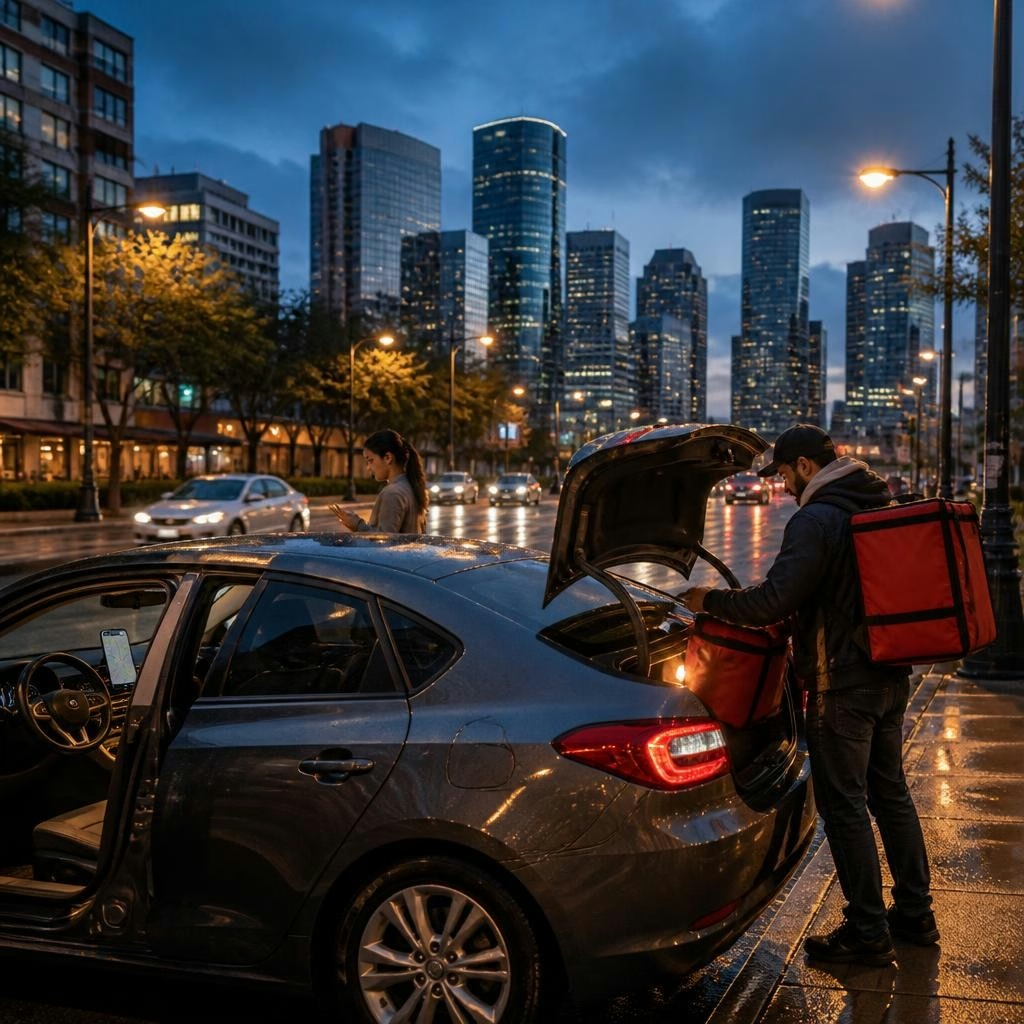
Why this matters for Houston drivers
Driving for rideshare or delivery platforms changes how insurance applies to you. Personal auto policies are written for private use, while app-based driving is considered commercial activity by many insurers. That distinction can create coverage gaps that leave a driver responsible for costs after an accident. This article explains the common issues Texas drivers face and practical steps you can take to reduce risk while working in Houston, Kingwood, or elsewhere in Texas.
How personal auto policies typically treat rideshare and delivery use
Most personal auto insurance policies include exclusions or limitations for use of a vehicle for business purposes. In practice, insurers often ask whether the vehicle is used to transport passengers or goods for pay; regular use for app work can fall under business use. Many rideshare companies provide some insurance while the app is active, but the interplay between your personal policy and the app’s coverage can be complex. Because underwriting language varies, the only reliable source is your own policy wording and a discussion with a licensed agent or broker.
Where coverage gaps commonly appear
There are a few recurring gaps drivers should be aware of: (1) When the app is on but you have not accepted a ride or delivery request, coverage from the app company may be limited or different from coverage while on an active trip; (2) physical damage to your vehicle (collision and comprehensive) is often not covered by the app’s liability protection unless you purchased supplemental coverage from the app; (3) some personal policies can be cancelled or denied if the insurer discovers regular commercial use that was not disclosed. These gaps can leave drivers exposed to repair bills, medical expenses, or liability claims.
Understanding app-provided insurance (general framework)
Rideshare and delivery companies commonly provide varying levels of coverage depending on whether you are offline, waiting for a request, en route to pick up, or transporting a passenger or delivery. While the apps may supply liability protection during certain phases, the scope—what’s covered and when—differs by company and situation. It is important to review the app’s insurance documents and ask how those policies coordinate with your personal coverage.
Insurance options to consider
Drivers who work regularly for apps can explore several options: a rideshare endorsement or ‘business use’ endorsement added to a personal policy, a commercial auto policy designed for paid-driving activity, or specialized rideshare insurance offered by some carriers. Each option has trade-offs in terms of cost and the types of losses covered. An independent broker can compare carriers and explain whether an endorsement or a commercial policy better matches your level of app activity.
Practical steps to protect yourself in Houston
Take these concrete steps: review your declarations page and policy exclusions; disclose to your insurer if you drive for pay and ask about rideshare or business-use options; keep copies of the app’s insurance documents and any in-app incident reporting instructions; maintain records of trips and hours driven; and verify that you meet the app’s vehicle and insurance requirements. Also confirm that your policy will not be cancelled if you disclose app driving—different insurers handle that disclosure differently.
How an independent broker can help
As an independent insurance broker serving Houston and Kingwood, JAMCO Insurance - Robert Goodwin works with multiple carriers to compare options for drivers who work for Uber, Lyft, DoorDash and similar services. We provide free insurance quotes and can explain whether a rideshare endorsement, a commercial policy, or another solution best fits the frequency and type of your driving. If you bring information about your vehicle, driving history, and typical hours on the app, a broker can offer tailored comparisons across carriers.
Quick checklist before you drive for an app
Before signing on for more hours, confirm these items: review your personal policy for business-use exclusions, obtain written details of the app’s insurance coverage, ask a broker about rideshare endorsements or commercial options, keep vehicle documentation and trip records, and verify you meet the app’s insurance and inspection requirements. If you’d like assistance, contact a licensed broker who serves Texas to get clear, written comparisons and a free quote tailored to your driving pattern.
Article by
JAMCO Insurance - Robert Goodwin
I'm an Independent Insurance Broker that partner with Progressive, Allstate, Infinity, Kemper and many other companies. We provide free insurance quotes for auto, home, business & more