Rideshare Insurance in Houston: How to Fill Coverage Gaps for Uber and Lyft Drivers
A practical guide for Houston-area drivers explaining how personal auto policies differ from rideshare app coverage, when a rideshare endorsement or commercial policy may be necessary, and how an independent agent can compare your options.
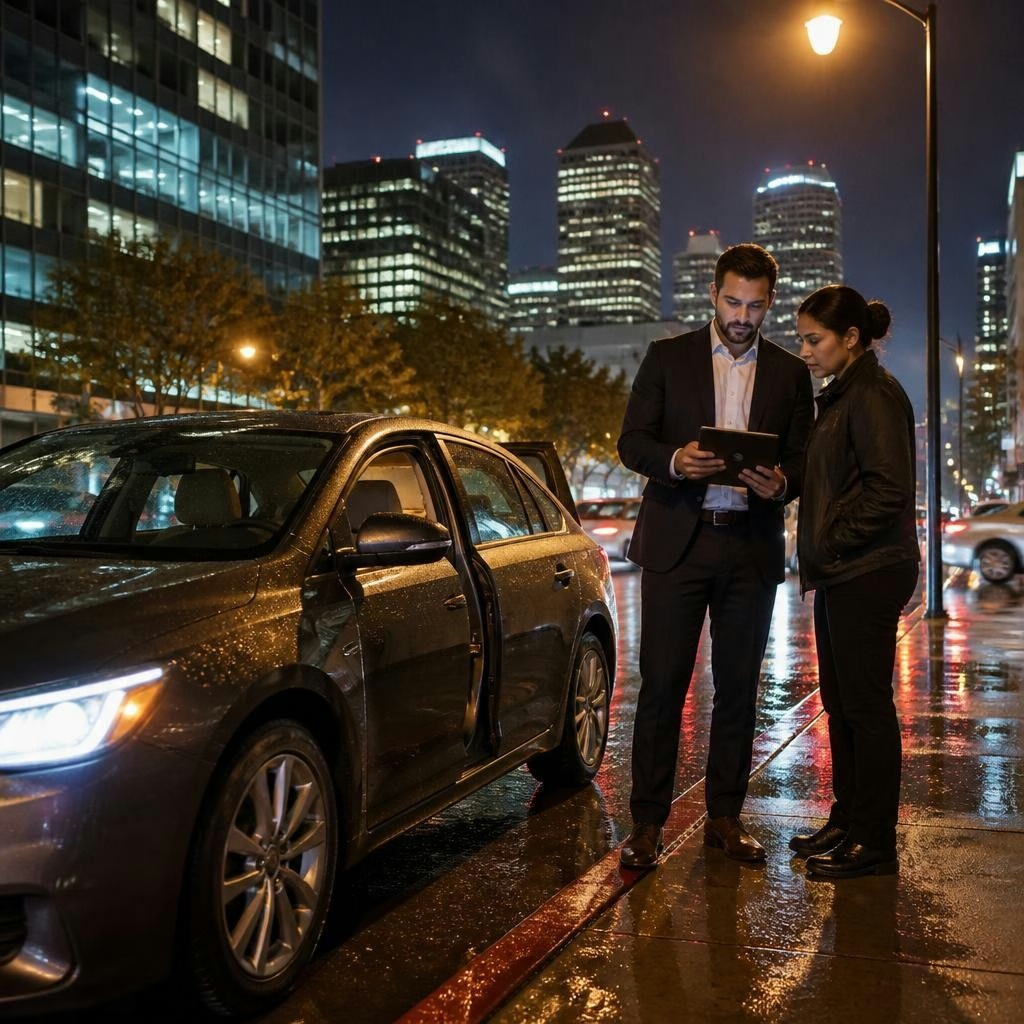
Why rideshare insurance matters for Houston drivers
Driving for Uber, Lyft or other app-based services changes your insurance exposure. Standard personal auto policies are written for personal use and often exclude or restrict coverage when a vehicle is used to transport paying passengers. Rideshare company insurance policies provide some protection while the app is active, but those policies have limits and vary by the phase of a trip. Understanding those distinctions helps you avoid unexpected out-of-pocket costs after an accident and ensures you meet both legal and contractual obligations while working in Houston and elsewhere in Texas.
How app coverage is typically structured
Rideshare companies generally divide coverage into phases: 1) when the app is off and you are driving for personal reasons (covered by your personal policy), 2) when the app is on and you are waiting for a ride request (apps may offer limited contingent liability coverage), and 3) when you are en route to pick up a passenger or have a passenger in your vehicle (higher liability limits and, sometimes, uninsured motorist and contingent collision coverage). The exact limits, what is covered, and whether collision or comprehensive coverage applies depend on the company and the specific situation, so you should review the rideshare terms and the wording of any company-provided policy carefully.
Common gaps in personal policies for rideshare activity
Many personal auto policies exclude commercial activity or driving for hire, which can leave drivers without primary liability protection when the app is on. Even when an insurer provides contingent coverage, it may be limited in scope or payout. Other gaps can include limited or no collision coverage while transporting passengers, reduced or absent uninsured/underinsured motorist protection, and exclusions for passenger injuries or property damage related to commercial use. These gaps are the reason some drivers are surprised to find insufficient coverage after a claim.
When you should consider a rideshare endorsement
A rideshare endorsement — sometimes called a rideshare or commercial rideshare endorsement — modifies a personal auto policy to cover app-based driving. It is typically appropriate for drivers who use their vehicle intermittently for rideshare work and who want to keep a personal policy while avoiding a full commercial policy. Key signs you should consider an endorsement include: you rely regularly on rideshare income, your current insurer excludes any app-related activity, or your insurer’s contingent coverage is minimal. An independent agent can help determine whether an endorsement is available from your insurer and whether it fits your driving patterns.
When a commercial auto policy may be necessary
A commercial auto policy is designed for higher-frequency or higher-exposure driving and may be necessary for drivers who: run the app extensively as a primary source of income, transport passengers or property beyond typical rideshare work, or face higher liability risks. Commercial policies offer broader coverage options and higher limits but are usually more expensive and follow different underwriting rules. An independent agent can assess if your driving frequency and risk profile point toward commercial coverage instead of an endorsement.
How an independent agent compares your rideshare options
Independent agents, like the team at JAMCO Insurance, work with multiple carriers to compare coverage options and premiums side by side. A thorough comparison should include: the insurer’s definition of rideshare activity, coverage during each app phase, liability limits and deductibles, collision and comprehensive terms, uninsured/underinsured motorist protection, any exclusions, premium impact, and bundling or multi-policy discounts. Agents can also request written policy endorsements to confirm exactly what is and isn’t covered, so you have documentation for both your insurer and the rideshare company.
Practical next steps for Houston rideshare drivers
Start by reviewing your current personal auto policy for any rideshare or for-hire exclusions and check the terms of the rideshare company’s insurance. Contact an independent agent who serves Houston and the surrounding Texas area to get personalized comparisons from multiple carriers — JAMCO Insurance partners with insurers including Progressive, Allstate, Infinity and Kemper and can provide free quotes tailored to your situation. Ask the agent to show coverage options for each app phase, compare limits and deductibles, and explain how a rideshare endorsement would change your existing policy versus a commercial policy. Keeping clear documentation and choosing coverage that matches how you actually drive will reduce surprises after an incident and give you greater peace of mind while working.
Article by
JAMCO Insurance - Donald Idlebird
I'm an Independent Insurance Brokers that partner with Progressive, Allstate, Infinity, Kemper and many other companies. We provide free insurance quotes for auto, home, business & more. Located in Houston, TX. We’re here to help protect you from the unexpected and plan for the predictable. Get in touch with one of our insurance agents today!