San Antonio Kitchen Remodel Cost Breakdown: What Homeowners Can Expect in 2025
A practical, San Antonio–focused guide that explains the main cost components of a kitchen remodel, what increases or lowers expenses, and how homeowners can build a realistic budget without sacrificing quality or design.

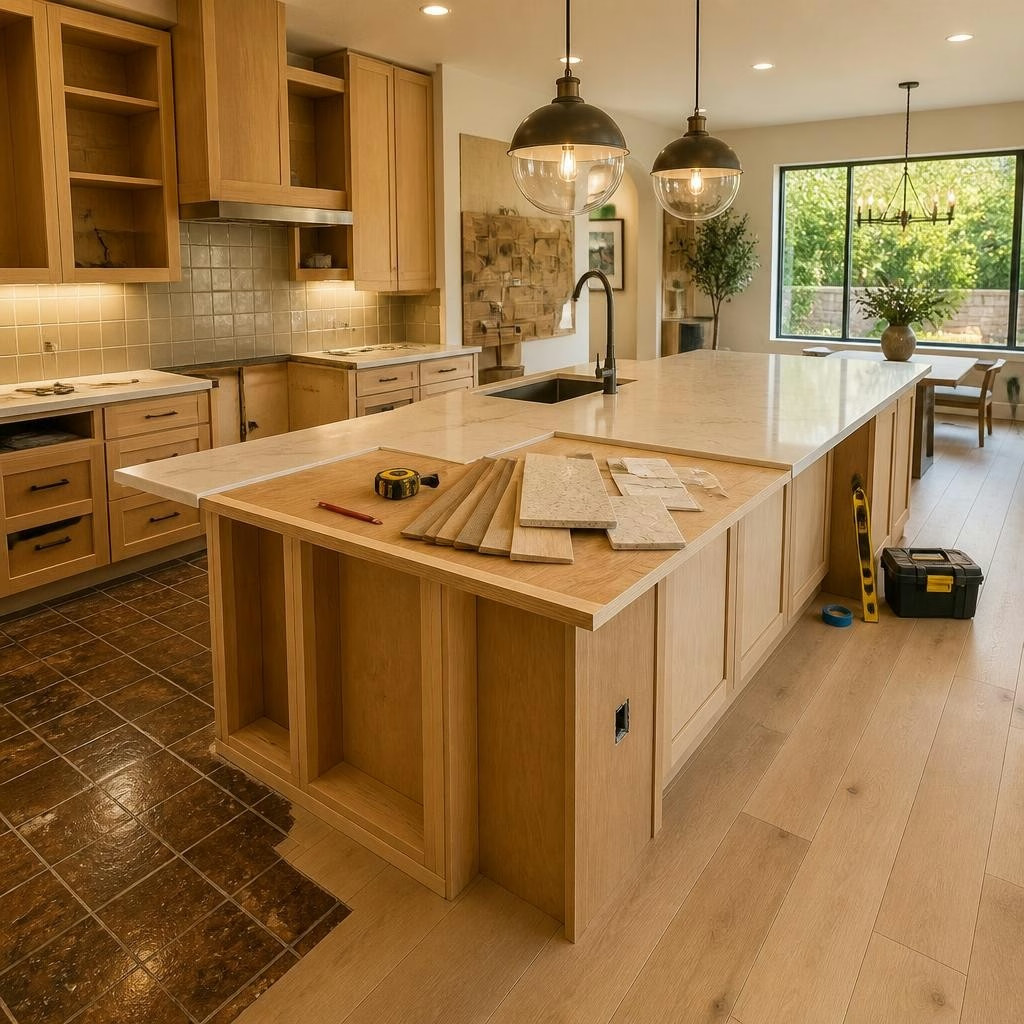
Introduction: What this guide covers
A kitchen remodel is one of the most impactful home improvements you can make, but costs vary widely depending on design choices, materials, and the scope of work. This article breaks down the typical cost drivers for kitchen remodels in the San Antonio area, explains factors that raise or lower prices, and offers practical budgeting steps you can use to plan a project that balances quality, function, and style.
San Antonio factors that influence cost
Local conditions matter. In San Antonio and nearby communities, supply-chain delays, seasonal weather (which can affect exterior work or deliveries), and local permitting requirements can alter timelines and therefore costs. Labor availability in the region and material lead times for certain finishes or appliances also affect schedules. Because 1st Rate Remodeling serves San Antonio and surrounding areas and offers showroom visits and walkthroughs, homeowners can get more accurate local estimates by consulting contractors who understand these regional realities.
Major cost components to budget for
When preparing a kitchen budget, separate the project into clear line items so you can compare bids: cabinetry and cabinet installation, countertops and their fabrication, flooring, lighting and electrical upgrades, plumbing fixtures and connections, appliance selection and installation, demolition and disposal, structural or layout changes (walls, windows, doorways), and labor. Each of these categories has its own pricing drivers: material type for counters and floors, complexity of cabinet installation, or the need for electrical or plumbing rework, for example.
What commonly drives prices up — and how to spot them
Several choices tend to increase cost: custom cabinetry versus stock units, high-end natural stone or specialty countertops, changing the kitchen footprint or moving plumbing and electrical, adding structural work, or selecting specialty lighting and appliances. Hidden conditions discovered during demo — such as outdated wiring, water damage, or uneven subfloors — can also raise costs. Expect higher costs if the design includes custom millwork, extensive tile layout complexity, or luxury finishes that require specialized trades.
Ways to reduce cost without sacrificing quality
There are practical trade-offs that preserve appearance and function while controlling spend. Consider semi-custom cabinets or refacing existing cabinets, choose durable but cost-effective countertop materials, retain the current plumbing layout to avoid relocation charges, and opt for standard-size appliances rather than custom-built units. Phasing work — completing the most important elements first — lets you spread expense over time. Ask your contractor about material allowances in the bid so you can swap spec levels without rewriting the entire estimate.
How accurate estimates and clear communication help your budget
Accurate, detailed bids and steady communication reduce surprises. One local homeowner who shared their experience noted that the contractor provided a reasonable bid aligned with their vision; despite an initial delay caused by weather and material availability, the team communicated clearly and completed the work to the homeowner’s satisfaction. That pattern—detailed estimates, transparent updates, and workmanship that matches expectations—is a recurring positive in local reviews and an important factor in keeping projects on budget.
Practical checklist and next steps for San Antonio homeowners
Before you request bids, prepare a short brief: desired layout, must-have features, inspiration images, and a list of priorities (what you can adjust and what is non-negotiable). When vetting contractors ask for a written scope, a breakdown of material allowances, timeline estimates including common contingencies, and references or photos of recent projects. Visit showrooms or request a walkthrough to obtain a realistic on-site estimate. Finally, plan for an allowance for unforeseen conditions and confirm who will pull permits. Clear expectations, multiple bids, and a contractor experienced with local projects will help you build a budget that protects both design and quality.
Customer review


Article by
1st Rate Remodeling - 1
At 1st Rate Remodeling, we are proud to provide high-quality remodeling services in San Antonio, TX, and the surrounding areas. We can help with every bathroom remodel and kitchen remodel, along with room additions, staircases, ceilings, flooring, fireplaces, windows, and exterior updates. We work closely with you to turn your ideas into a space that fits your style and your needs. You can visit our showroom or schedule a walkthrough so we can help plan your project from start to finish. Our goal is to make every remodeling project simple, stress-free, and built to last.